
How to Ship Your Car Across the Country: A Complete Guide to Auto Transport in 2026
Yorka Auto Transport Team
Author
May 13, 2026
Published

How to Ship Your Car Across the Country: A Complete Guide to Auto Transport in 2026
You've got a move coming up — or maybe you just won a bid on a car auction in Florida and you're sitting in Seattle wondering how on earth you're going to get it home. Either way, shipping a car across the country doesn't have to be stressful.
The problem? Most people have never done it before. They don't know the difference between open and enclosed transport, they're not sure what a realistic timeline looks like, and they've heard enough horror stories to be genuinely nervous about handing over the keys to a stranger.
That's exactly why we wrote this guide.
At Yorka Auto Transport, we've helped thousands of car owners ship vehicles safely from state to state, coast to coast, and everywhere in between. This article will walk you through everything you need to know — including what drives prices up or down, how long shipping actually takes, and how to make sure your car arrives exactly the way it left.
What Is Auto Transport, and How Does It Work?
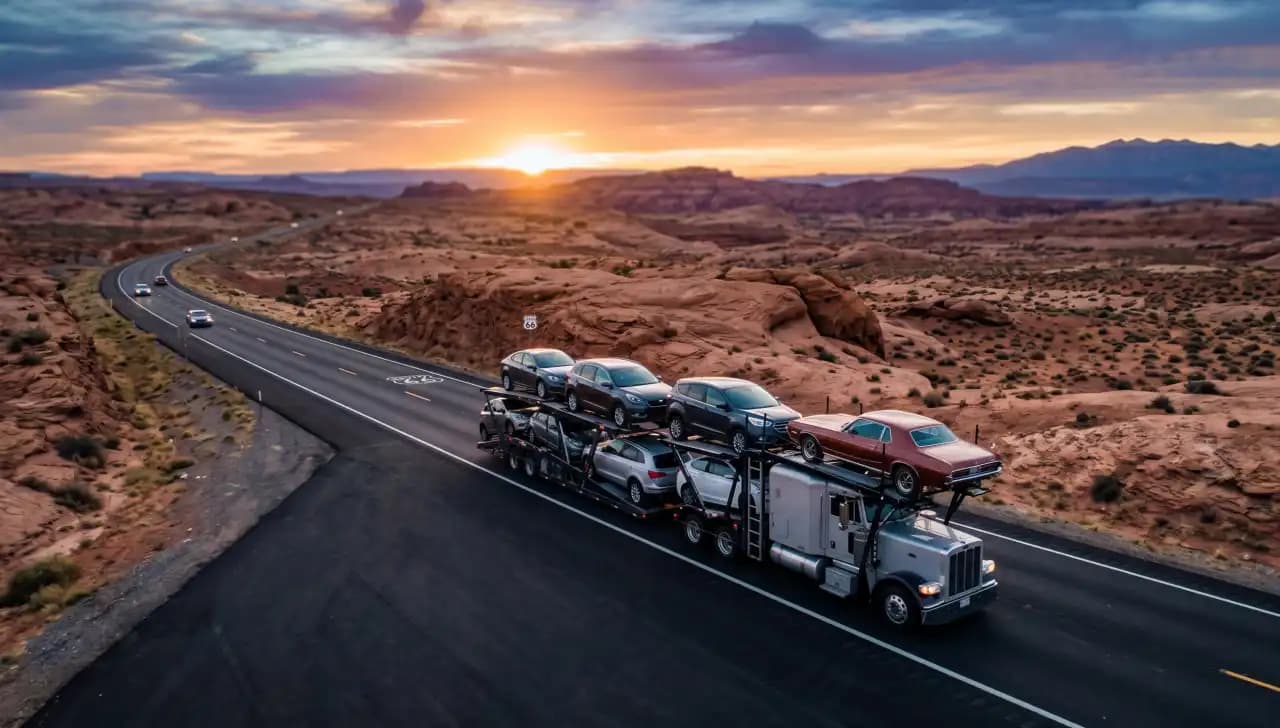
Auto transport is the process of moving a vehicle from one location to another using a specialized carrier — either on an open trailer (the kind you've seen on the highway stacked with cars) or inside an enclosed trailer that fully protects the vehicle from the elements.
As a brokerage, Yorka Auto Transport connects you with a vetted network of licensed, insured carriers nationwide. You get the convenience of a single point of contact, access to a wide carrier pool, and competitive pricing — without the headache of hunting down individual trucking companies on your own.
The process is straightforward:
- You request a quote and lock in your pickup dates
- A carrier is assigned and confirmed with you
- Your vehicle is picked up at your door (or a nearby terminal)
- The carrier transports it along the agreed route
- Your vehicle is delivered and you do a final inspection before signing off
Simple in concept. But the details matter — and that's where most people get tripped up.
Open vs. Enclosed Car Transport: Which Do You Need?
This is the most common question we get, and the honest answer is: it depends on your vehicle and your priorities.
Open Car Transport
Open transport is the industry standard. Your car rides on a multi-level trailer alongside other vehicles, fully exposed to road conditions and weather. It's safe, widely available, and significantly more affordable than enclosed shipping.
If you're shipping a daily driver, a used vehicle, or a family car, open transport is almost certainly the right call. The vast majority of vehicles shipped across the U.S. — including brand-new cars straight off dealer lots — travel this way.
Best for: Everyday vehicles, budget-conscious shippers, flexible timelines
Enclosed Car Shipping
Enclosed transport puts your vehicle inside a fully enclosed trailer, protecting it from weather, road debris, and prying eyes. It costs more — typically 30–50% above open rates — but for the right vehicle, it's absolutely worth it.
If you own a luxury car, a classic or vintage vehicle, an exotic, or anything you'd be genuinely heartbroken to see a door ding on, enclosed shipping is the standard choice.
Best for: Luxury vehicles, classic cars, exotics, collector pieces, modified builds
How Much Does It Cost to Ship a Car?
Let's be upfront: there's no single price for auto transport. Costs vary quite a bit depending on several factors, and anyone quoting you a flat rate without knowing the details isn't giving you a realistic number.
Here are the main factors that move the needle:
Distance. The most obvious one. Shipping from New York to California costs more than New York to Pennsylvania. That said, price-per-mile actually tends to decrease on longer routes because carriers can spread fixed costs over more miles.
Vehicle size and type. Larger, heavier vehicles take up more space on a carrier and cost more to transport. A full-size pickup truck will run higher than a compact sedan.
Transport type. Open vs. enclosed makes a meaningful difference. If you're shipping a Porsche 911 or a restored '67 Mustang, enclosed is the way to go — and you'll pay accordingly.
Route popularity. High-traffic routes like I-95 (Northeast to Florida), I-10 (East to West), and I-40 (cross-country) have more carrier availability and tend to price more competitively. Rural or off-the-beaten-path destinations often cost a bit more because carriers have fewer loads going that direction.
Time of year. Demand spikes in certain seasons — particularly in summer (peak moving season) and in the fall/winter months when snowbirds head south along the I-75 and I-95 corridors from Michigan, Ohio, and the Northeast to Florida. Booking during peak periods means tighter availability and higher prices. Planning ahead gives you more options.
Lead time. Last-minute and expedited shipping cost more. If you can give 2–3 weeks' notice, you'll have more carrier options and more competitive pricing.
As a rough ballpark: short-to-medium hauls (under 500 miles) typically run $400–$700, while cross-country routes (1,500+ miles) generally fall in the $900–$1,500 range for standard open transport. Enclosed shipping and expedited service will be higher.
How Long Does Auto Transport Take?
Timelines in the auto transport industry are genuine ranges, not guarantees — and any company that promises an exact delivery date without caveats isn't being straight with you.
That said, here's what to realistically expect:
- Under 500 miles: 1–3 days
- 500–1,000 miles: 2–4 days
- 1,000–2,000 miles: 4–7 days
- Cross-country (2,000+ miles): 7–10 days
These estimates begin once a carrier has actually picked up your vehicle. Factor in 1–5 days for carrier assignment and pickup scheduling when you're planning your overall timeline.
A few things can extend delivery time: weather events, mechanical issues with the carrier, or routes through less-populated areas with fewer carrier options. It's worth building in a small buffer if you have a hard move-in deadline.
Who Ships Their Car With Yorka? (Probably Someone Just Like You)
Auto transport isn't just for wealthy car collectors. Here's who uses our services every day:
People Relocating to a New State
Whether you're chasing a job offer in Texas or finally making that move to the Pacific Northwest, driving two cars across the country is exhausting, expensive (gas, hotels, wear), and sometimes just not possible. Shipping your second car is often the smarter financial and logistical choice.
Military Families
Military relocations — known as PCS moves — happen fast and across long distances. We have experience working within military timelines and understand the stress that comes with these moves. We ship your vehicle so you can focus on everything else.
Snowbirds
Every fall, hundreds of thousands of retirees make their annual migration from the Midwest and Northeast down to Florida, Arizona, and other warmer states. Rather than driving aging vehicles thousands of miles twice a year, snowbirds ship their cars — and we handle that route all season long.
College Students
Heading to school in another state doesn't have to mean a 14-hour solo drive. Parents ship their student's car so it's waiting when they arrive, and we pick it up again at the end of the semester.
Dealerships and Auction Buyers
Bought a car from an out-of-state dealership or a platform like Manheim or Copart? We do dealer transport and auction pickups regularly. We work with the seller directly so you don't have to coordinate the logistics yourself.
Luxury and Exotic Car Owners
You spent serious money on your vehicle. Enclosed car shipping means it arrives in exactly the condition it left — no highway grime, no rock chips, no exposure to weather.
5 Things to Know Before You Book Auto Transport
1. Get multiple quotes — but don't just chase the lowest number. Suspiciously low quotes often come with hidden fees, unreliable carriers, or bait-and-switch tactics. Focus on companies with transparent pricing, verified reviews, and clear cancellation policies.
2. Check the carrier's credentials. Every carrier legally transporting vehicles in the U.S. must be registered with the FMCSA (Federal Motor Carrier Safety Administration) and carry cargo insurance. At Yorka, we only work with verified, insured carriers.
3. Document your car's condition before pickup. Take time-stamped photos of all four sides, the roof, and the interior. Note any pre-existing scratches or dents on the Bill of Lading at pickup. This protects you if there's ever a dispute.
4. Remove personal items from the car. Carriers are not liable for personal belongings left in the vehicle, and some insurance policies don't cover them. Clear out the car before pickup.
5. Have someone available for both pickup and delivery. Someone needs to be present to inspect the vehicle and sign off at both ends. If you can't be there, designate a trusted person — a family member, neighbor, or property manager.
Door-to-Door vs. Terminal-to-Terminal Shipping
Door-to-door is exactly what it sounds like: the carrier picks up and delivers as close to your address as the truck can safely access. This is the most convenient option and what most people choose.
Terminal-to-terminal means you drop off and pick up at a designated facility. It can be cheaper in some cases, but it adds steps on both ends and means your car sits at a terminal between legs. For most customers, door-to-door is worth the difference.
Expedited Auto Transport: When You Need It Fast
Standard transport works well when you have two or more weeks of flexibility. But sometimes life doesn't cooperate — a last-minute job offer, a sudden move, a vehicle that needs to arrive before you do.
Expedited shipping prioritizes your vehicle for faster carrier assignment and tighter pickup windows. It costs more, but when timing is critical, it's a legitimate option. Reach out to Yorka directly and we'll tell you honestly whether your route and timeline are achievable.
FAQ: Your Auto Transport Questions, Answered
How far in advance should I book car shipping? Ideally 2–4 weeks for standard service. One week is workable on popular routes. For last-minute needs, expedited service is available, though at a higher cost.
Is my car insured during transport? Yes. All licensed carriers are required to carry cargo insurance. At Yorka, we work only with carriers who meet FMCSA requirements. Ask for proof of insurance before finalizing your booking — any reputable company will provide it.
Can I put stuff in my car during transport? Most carriers allow a small amount of personal items — typically under 100 lbs in the trunk — though this varies by carrier and those items are not covered by the carrier's insurance. We recommend keeping the car clear to avoid any issues.
What if my car is inoperable or non-running? Non-running vehicles can absolutely be shipped, but they require a carrier with a winch and specific equipment. Let us know upfront so we can match you with a carrier that handles inop vehicles. Rates may be higher.
How do I know if my car arrived in good condition? Do a thorough walk-around inspection at delivery before signing the Bill of Lading. Note any new damage on the form. Don't sign without inspecting, even if it's late or the driver seems in a hurry.
What's the difference between a broker and a carrier? A broker like Yorka matches your shipment with a network of vetted carriers and handles the coordination. A carrier is the company with the actual truck. Brokers typically offer more flexibility, competitive pricing, and a wider network than going directly to a single carrier.
Is open transport really safe? Yes. Open transport is the industry standard and is used to deliver millions of vehicles annually — including brand-new cars from manufacturers to dealerships. The risk of damage is low, and carriers are insured. If your vehicle has special value or sentimental importance, enclosed transport offers extra peace of mind.
How much does it cost to ship a car from Florida to New York? Florida-to-New York is one of the most frequently traveled auto transport routes in the country. Typical open transport pricing ranges from $650–$950 depending on exact pickup and delivery locations, vehicle size, and time of year. Winter and early spring (snowbird season) tend to see higher demand on this corridor.
Why Choose Yorka Auto Transport?
There are a lot of auto transport brokers out there. Here's what sets Yorka apart:
- Nationwide carrier network with verified, FMCSA-registered transporters
- Transparent pricing with no hidden fees or last-minute surprises
- Dedicated customer support from booking through delivery
- Experience with specialized needs — military, snowbird, dealer, luxury, and expedited shipping
- Open and enclosed options for every vehicle type and budget
We're not the flashiest company in the space. We're the one that shows up, communicates clearly, and gets your car there safely.
Ready to Ship? Get Your Free Quote Today.
Whether you're moving across two states or across the entire country, Yorka Auto Transport is ready to make the process as smooth as possible.
No commitment. No pressure. Just a real number for your specific route, vehicle, and timeline.
Or call us directly to speak with a transport specialist who can answer your questions and walk you through your options.
Your car. Our priority. Let's get it moving.
Related Articles
Continue reading with these related posts
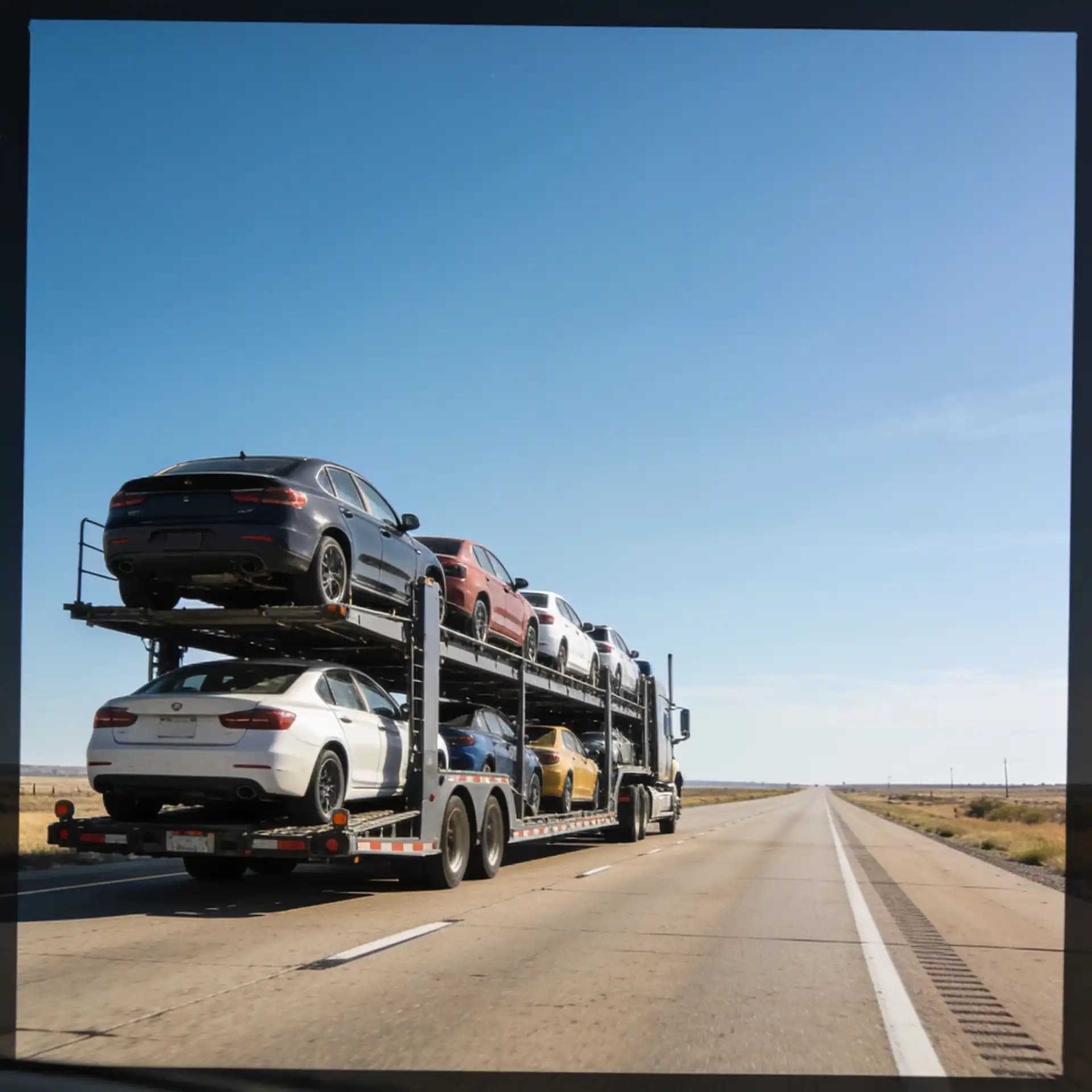
Can I Buy a Car in Texas and Ship It to California?
Yes — here's exactly how it works: Texas tax rules, shipping costs, and the California smog/CARB requirements buyers often miss.
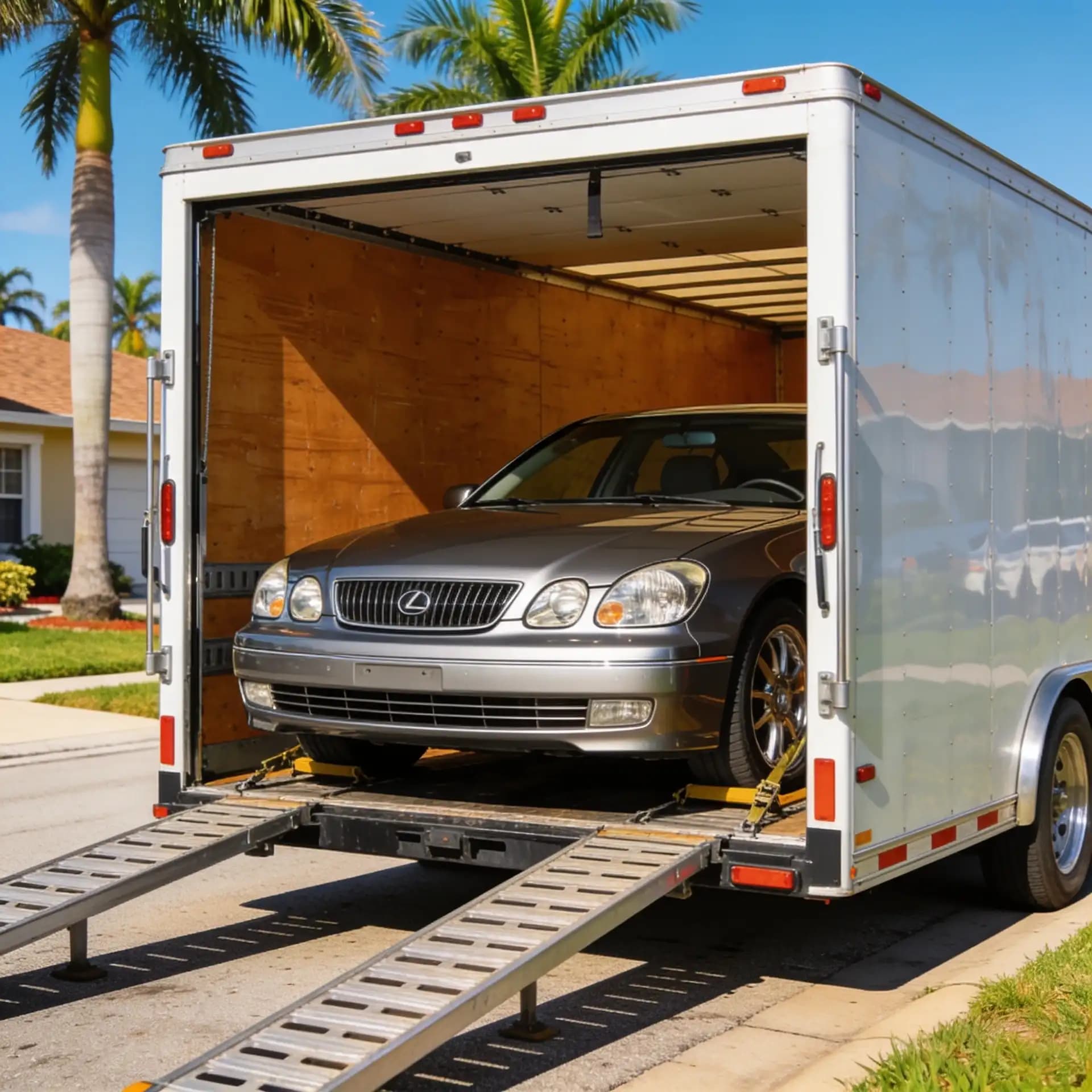
Cost to Ship a Car From Virginia to California (2026)
See real 2026 rates to ship a car from Virginia to California — open vs. enclosed pricing, seasonal timing, and how to get an accurate quote.
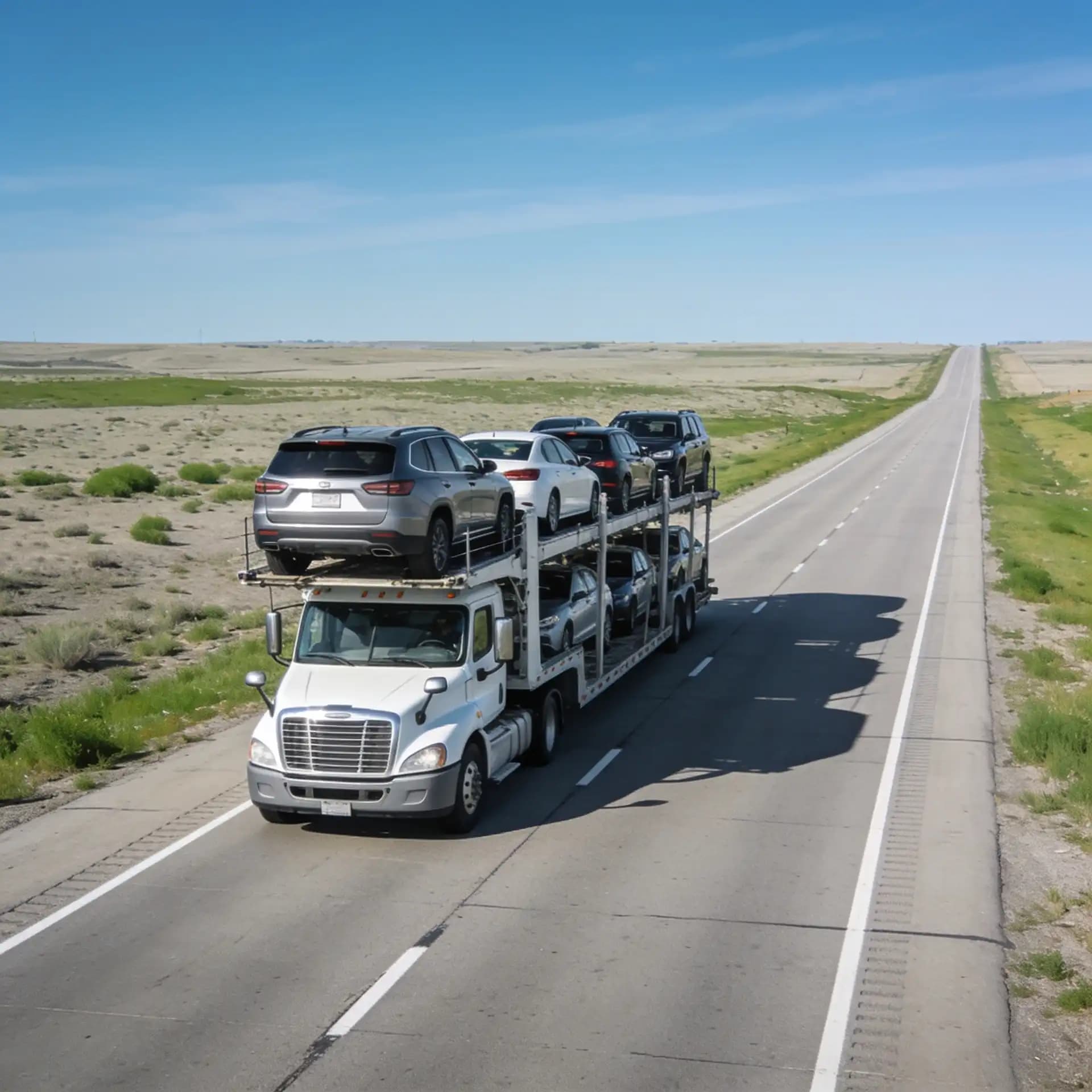
How Expensive Is It to Ship a Car to Florida?
See real 2026 costs to ship a car from California to Florida — open vs. enclosed pricing, timing tips, and how to get an accurate quote.