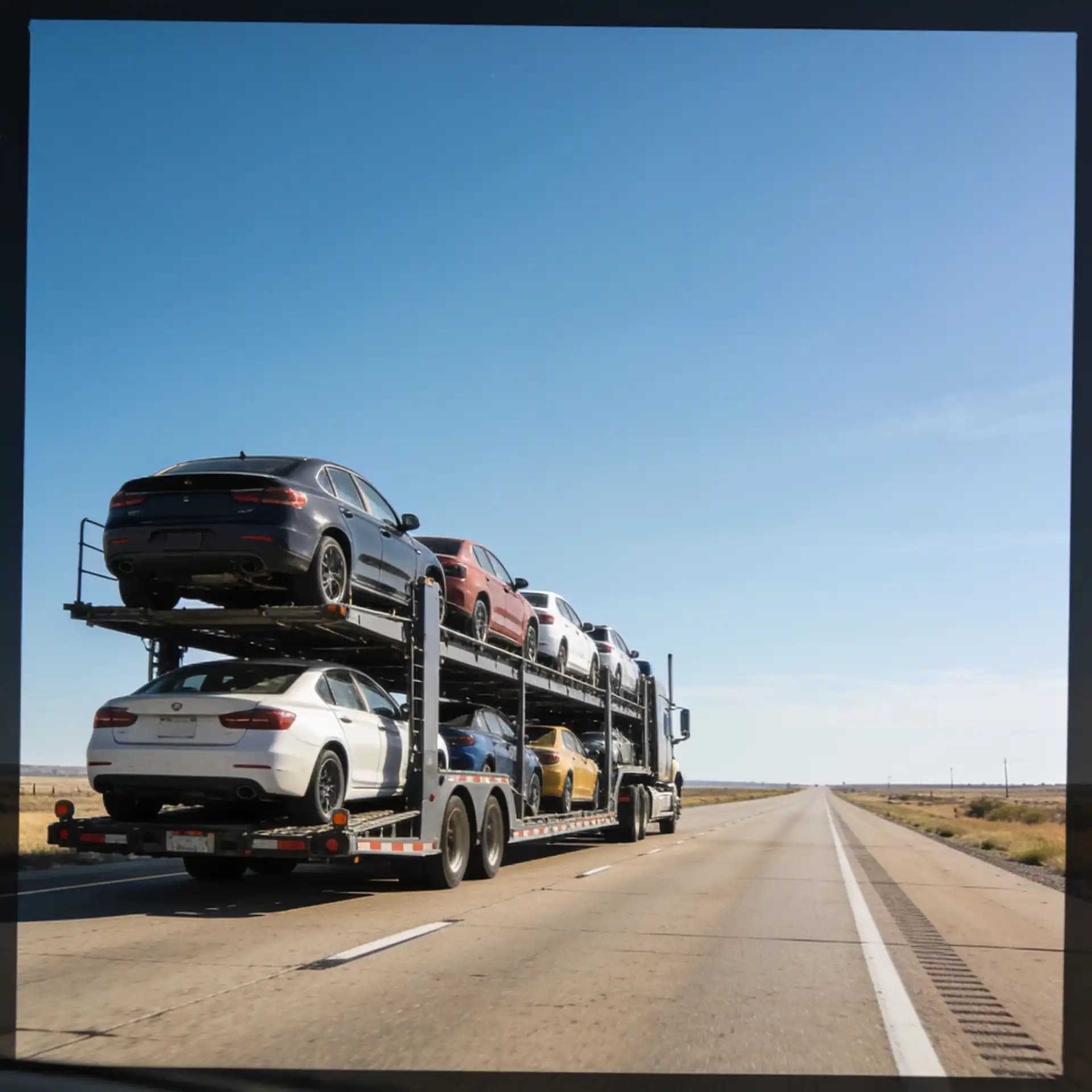
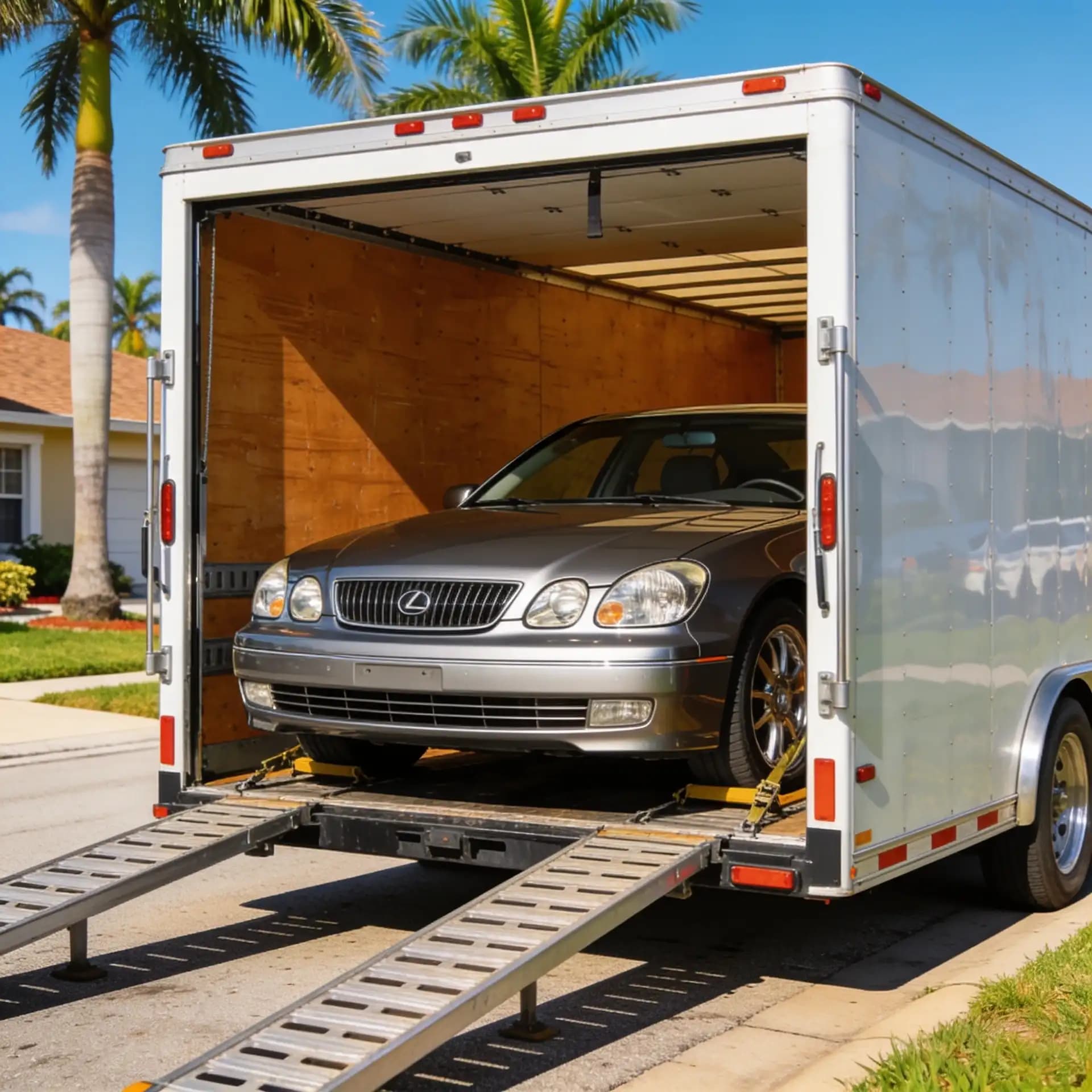
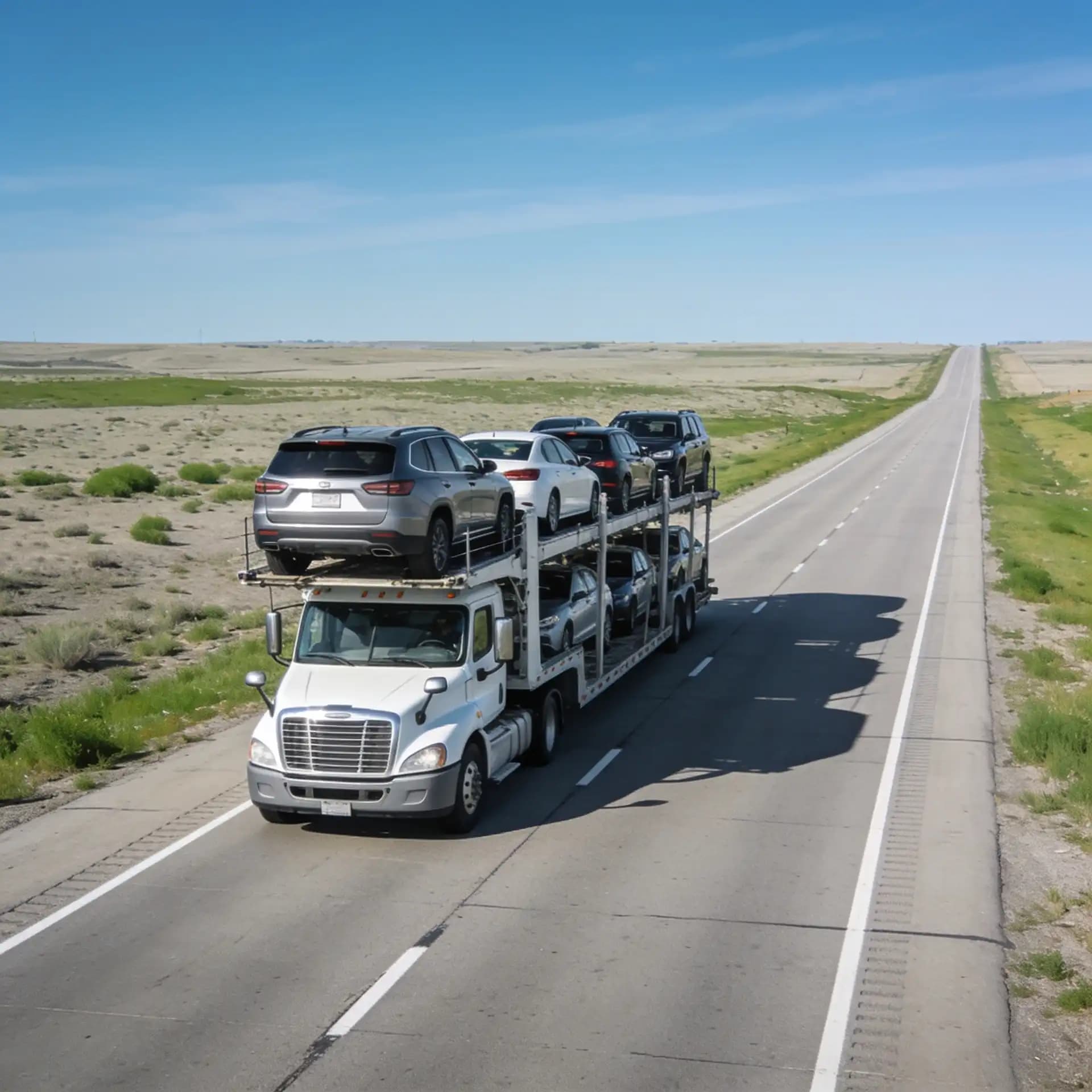
If your car won’t start, has a dead battery, or worse—locked wheels—you’re probably wondering how you’re supposed to move it across the state (or across the country). This isn’t your typical car shipping job. Moving a vehicle that doesn’t run takes the right equipment, planning, and experience.
At Yorka Auto Transport, we’ve handled everything from auction cars that haven’t started in years to accident vehicles that won’t roll an inch. There’s a right way to do this—and a lot of wrong ones.
What Is Non-Running Vehicle Transport?
Non running vehicle transport refers to shipping a car that cannot start, drive, or move under its own power.
This includes:
- Dead battery or engine failure
- Transmission issues
- Accident-damaged vehicles
- Cars with locked brakes or wheels
- Salvage or auction vehicles
Unlike standard shipping, these vehicles require special handling because they can’t be driven onto the carrier.
How Non-Running Car Shipping Works (Step-by-Step)
Here’s what actually happens behind the scenes:
1. Booking & Condition Details
We’ll ask specific questions:
- Does it roll?
- Can it steer?
- Are the brakes working?
These details matter more than people think. A car that rolls is much easier (and cheaper) to ship than one that doesn’t.
2. Assigning the Right Carrier
Not every truck can handle inoperable car transport. We match your vehicle with:
- A carrier equipped with a winch
- Or a truck with a liftgate (less common but useful)
3. Pickup Process
This is where experience shows:
- If the car rolls → it’s pulled up using a winch
- If wheels are locked → sometimes skates or forklifts are used
- Tight spaces (like apartments or auctions) can make things trickier
4. Securing the Vehicle
Since the car can’t be put in gear, extra precautions are taken:
- Wheel straps instead of relying on parking brake
- Careful positioning to prevent movement
5. Delivery
Same process in reverse. If the drop-off location doesn’t allow truck access, we coordinate nearby delivery points.
Equipment Required for Inoperable Cars
Shipping a non working car isn’t just about loading it—it’s about having the right tools:
- Winch system – pulls the car onto the trailer
- Liftgate – raises the vehicle (used in special cases)
- Wheel dollies/skates – for locked or non-rolling wheels
- Forklift (sometimes at auctions or yards)
- Soft straps – safer for damaged or delicate vehicles
Not every carrier invests in this equipment—that’s why availability can be limited.
Cost Factors (Transparent Breakdown)
Let’s be straightforward: inoperable car shipping costs more.
Here’s why:
- Extra time during pickup & delivery
- Specialized equipment required
- Fewer carriers available
- Higher risk handling
Typical additional cost:
- $150 to $500+ extra compared to a running vehicle
What affects your price:
- Whether the car rolls or not
- Pickup/delivery location accessibility
- Distance and route
- Type of transport (open vs enclosed)
If someone quotes you the same price as a running car—be careful. That usually means they didn’t understand the job.
Open vs Enclosed Transport for Non-Running Vehicles
Open Transport
- Most common and cost-effective
- Works fine for standard vehicles
- Limited availability for non-runners
Enclosed Transport
- Better for high-value, classic, or damaged cars
- More protection from weather and road debris
- More likely to have proper equipment for inoperable car shipping
If your vehicle is already damaged or valuable, enclosed is often the safer call.
Common Challenges & How Professionals Handle Them
Shipping a non-running vehicle isn’t always smooth. Here are real issues we deal with:
🔧 Dead Battery + Locked Steering
- Solution: manual override or wheel positioning tools
🚫 Car Won’t Roll
- Solution: wheel skates or forklift assistance
🏢 Tight Pickup Locations
- Solution: coordinate nearby meeting points
⚠️ Missing Keys
- This slows everything down—some carriers may refuse the job
🛠️ Low Ground Clearance
- Requires careful loading angles to avoid damage
These are the details that separate experienced carriers from inexperienced ones.
Tips Before Shipping a Non-Working Car
Make the process easier (and cheaper) with a little prep:
- ✔ Try to make sure the car rolls if possible
- ✔ Inflate tires (even slightly helps)
- ✔ Provide keys—even if it doesn’t start
- ✔ Mention every issue upfront (no surprises)
- ✔ Clear personal items
One honest detail upfront can save hours on pickup day.
Why Choose Yorka Auto Transport
We don’t treat inoperable vehicle transport like a standard shipment.
- We verify vehicle condition before dispatch
- We work with carriers who actually have the right equipment
- We stay compliant with FMCSA guidelines
- All shipments are insured
- We communicate clearly—no guessing games
Most importantly, we’ve done this enough times to know where things usually go wrong—and how to avoid it.
FAQ: Non Running Vehicle Transport
1. Can I ship a car that doesn’t start?
Yes. That’s exactly what non running vehicle transport is for. Just make sure to disclose its condition.
2. Does a non-running car cost more to ship?
Yes. Expect an additional fee due to equipment and handling requirements.
3. Can you ship a car with a dead battery?
Absolutely. This falls under car shipping with dead battery, and it’s one of the most common cases.
4. What if my car doesn’t roll?
It can still be shipped, but special tools (like skates or forklifts) may be needed, which can increase cost.
5. Do I need to be present at pickup?
Not necessarily, but someone must be there to release the vehicle and sign paperwork.
6. Is my vehicle insured during transport?
Yes. All carriers we work with provide cargo insurance, but coverage limits vary—always ask.
7. How long does inoperable car transport take?
Usually similar to standard shipping, but delays can happen if special equipment is required.
Final Thoughts
Shipping a non-working car isn’t complicated—but it does require the right setup and honest communication. The more details you provide upfront, the smoother everything goes.
If you’ve got a vehicle that won’t start, doesn’t roll, or hasn’t moved in years—you still have options. You just need the right team handling it.