
Cheap Car Shipping Quotes: What to Check Before Booking
Yorka Auto Transport Team
Author
November 19, 2026
Published

By Yorkin Yusupov, CEO of Yorka Auto Transport. Updated November 19, 2026.
A low car shipping quote can look like the obvious choice. When two companies offer to move the same vehicle between the same cities, why pay more? The answer is that an advertised price, a carrier's accepted rate, and a confirmed pickup are not always the same thing.
A useful estimate should reflect what a qualified transporter is likely to accept, not simply the lowest number that will persuade someone to place an order. Understanding the difference helps you compare companies without assuming that every inexpensive quote is suspicious or that every expensive one is reliable.
A quote is not necessarily a truck assignment
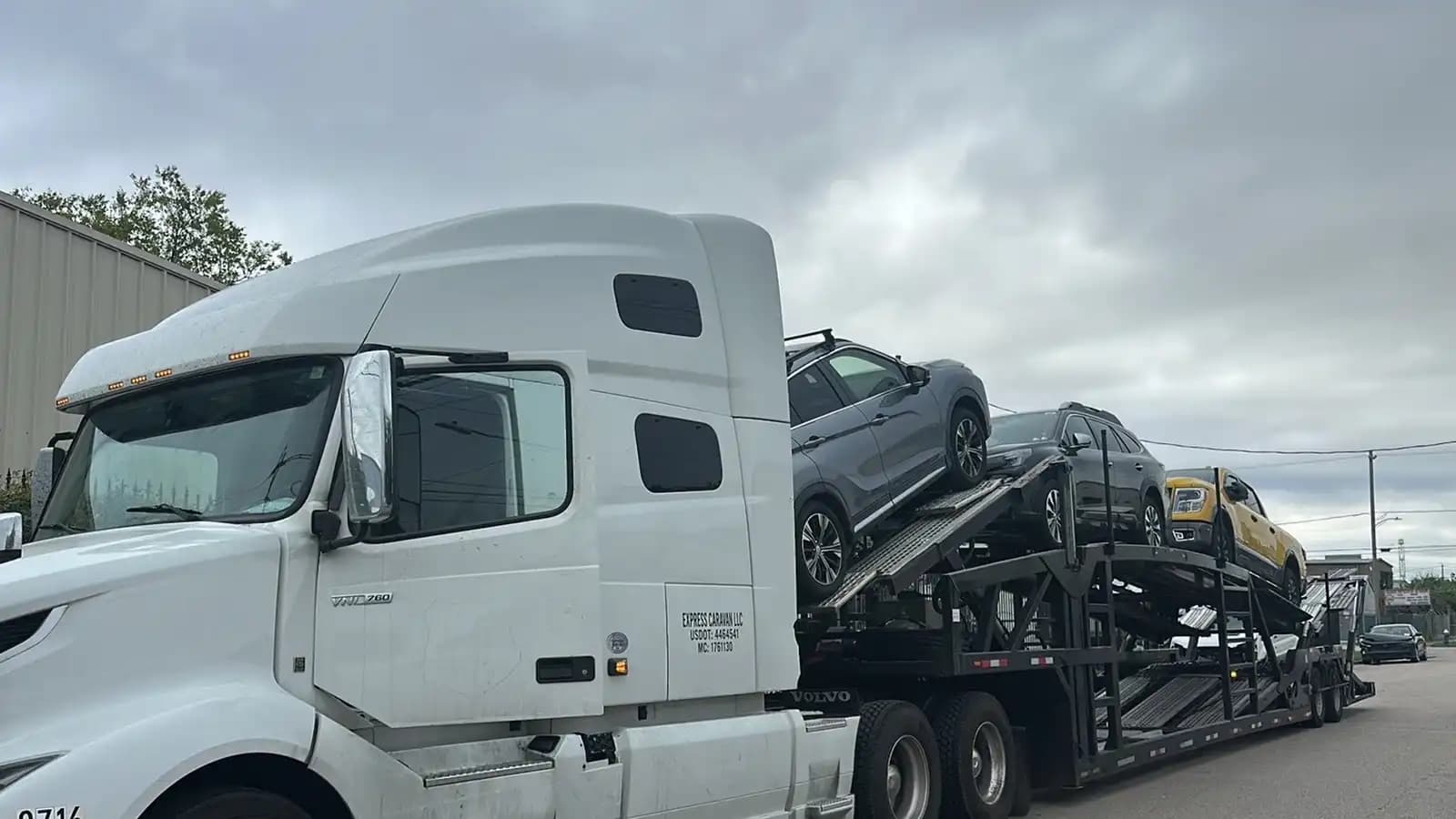
In a typical interstate shipment, an auto transport broker arranges a move and a motor carrier physically transports the vehicle (see how auto transport works). A broker can offer a shipment to carriers, but cannot force a driver to accept an unattractive route or rate. Until a suitable carrier confirms the load, some quotes remain market-based estimates.
This distinction matters most on difficult routes, during busy seasons, and when the vehicle needs special handling, such as enclosed transport. A company may quote a low starting figure while another includes more allowance for current truck availability. Neither number explains the full offer unless you know what it includes and whether the price is guaranteed under the written agreement.
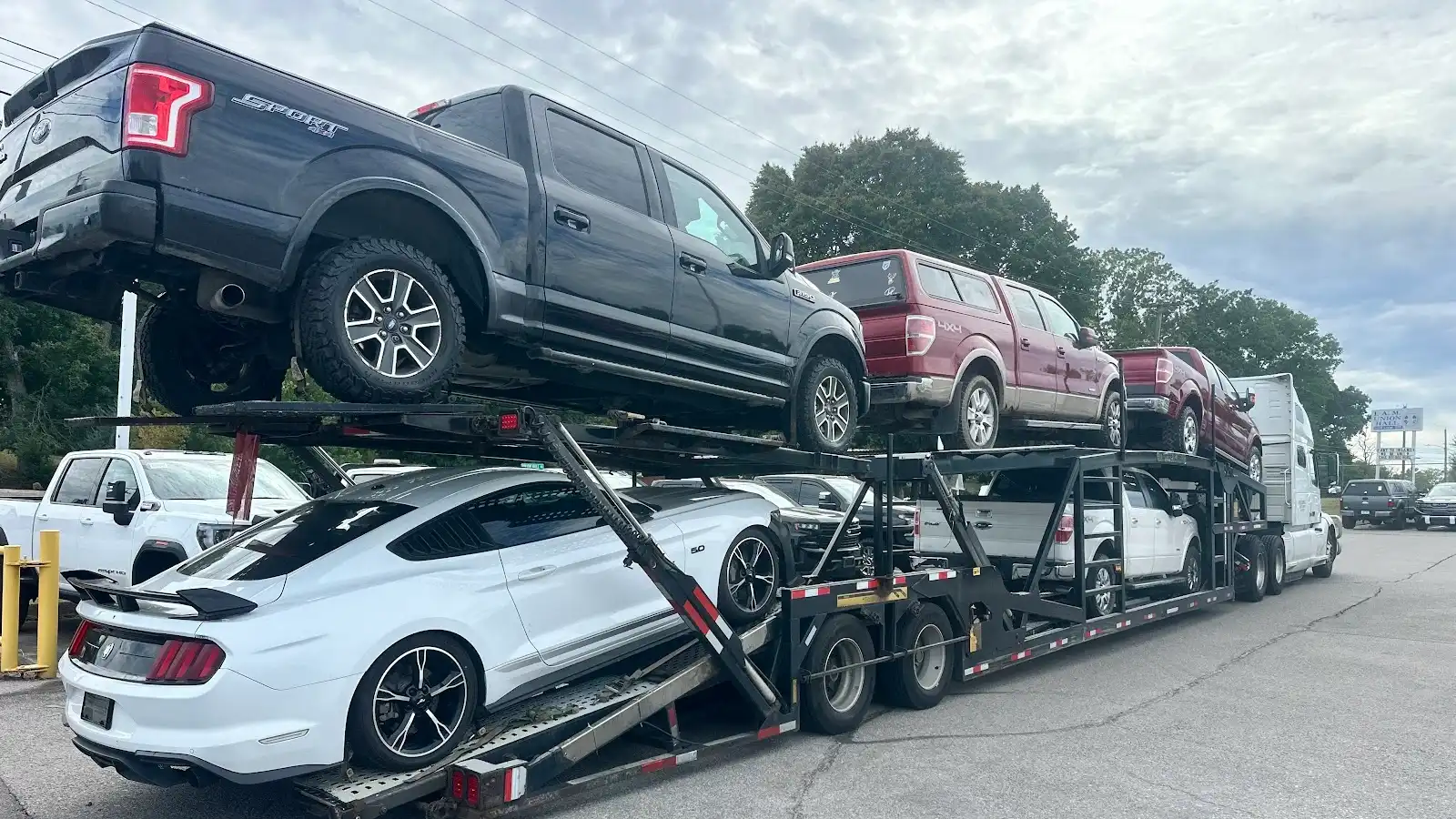
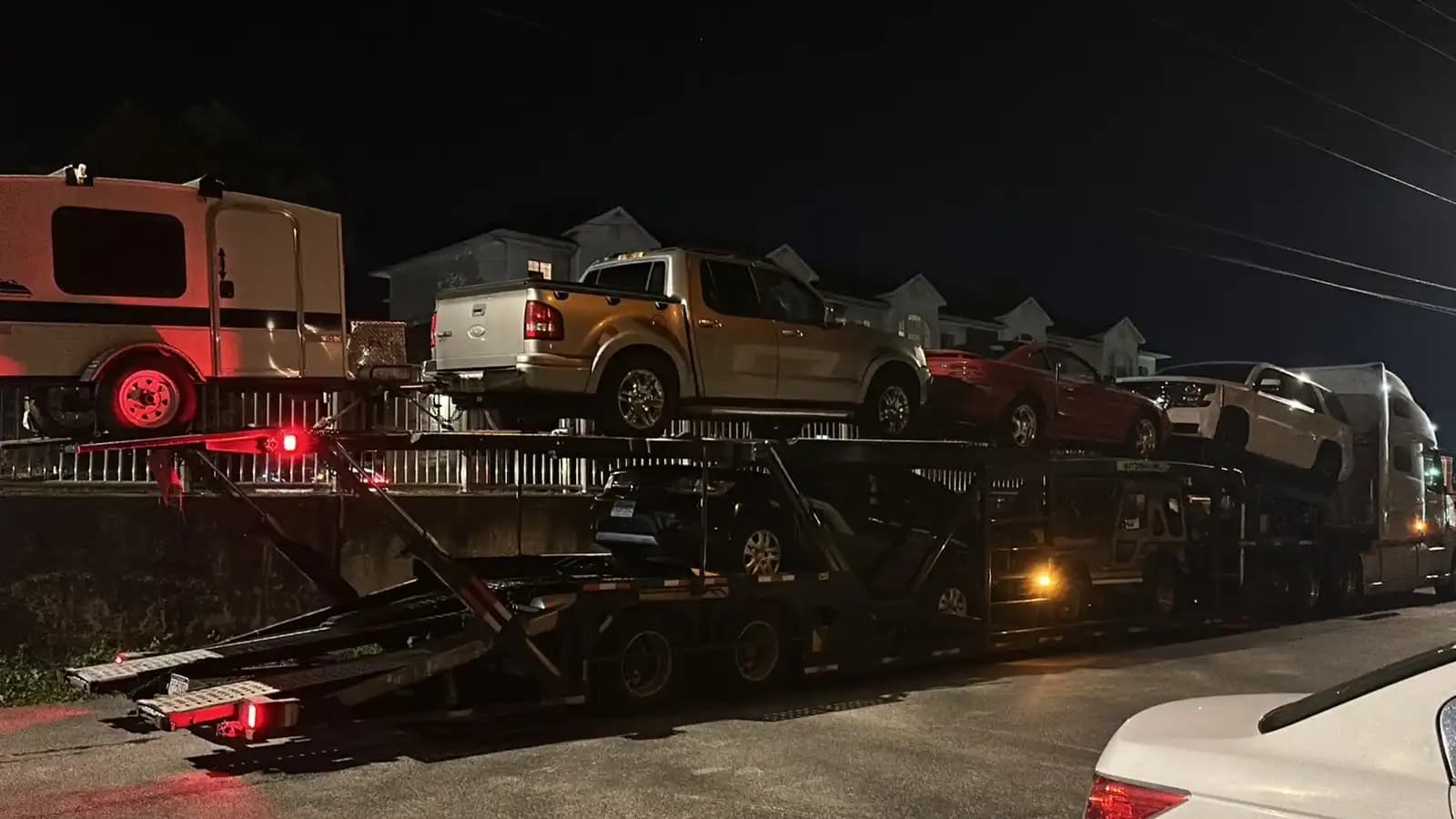
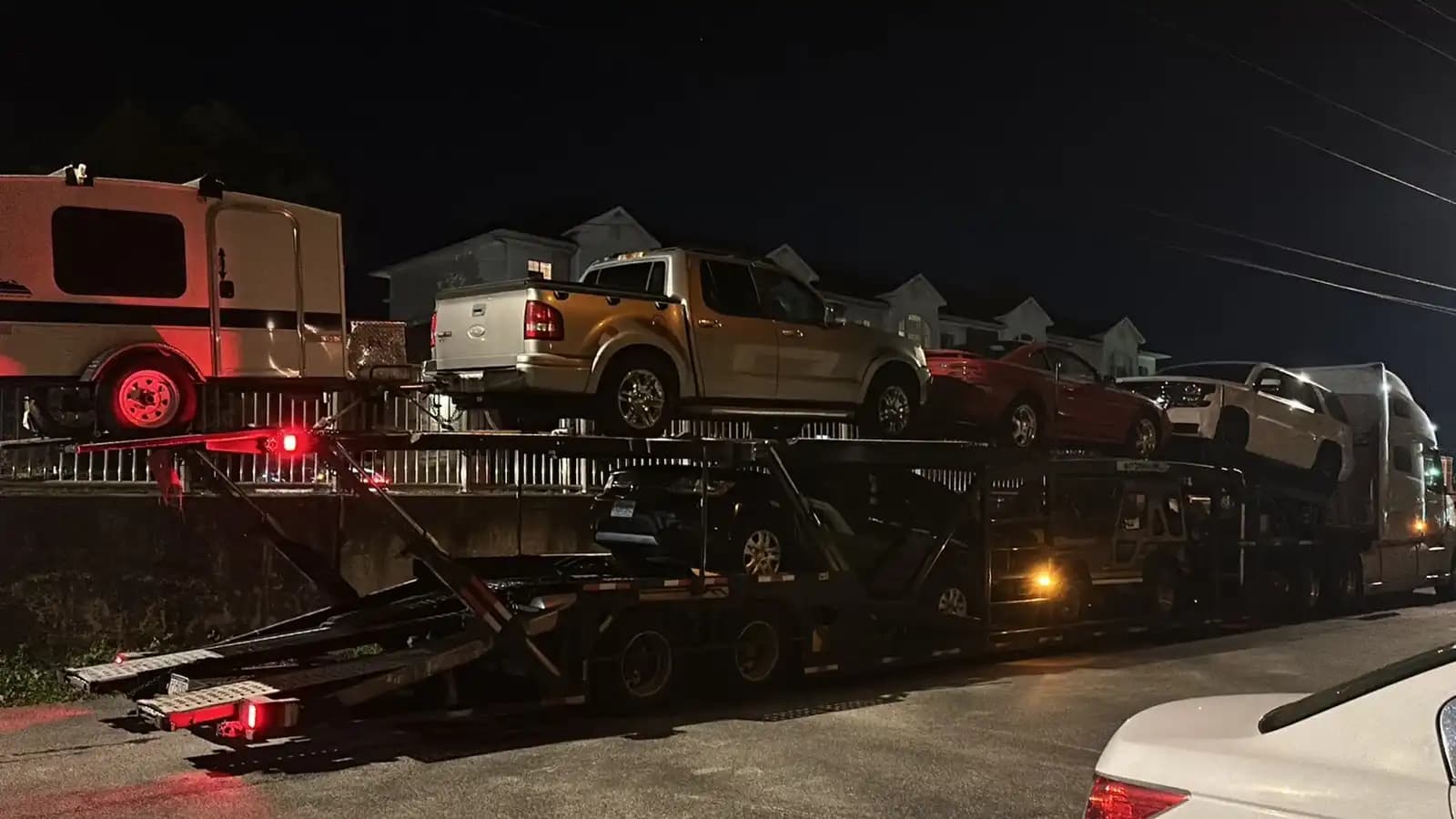
A fully loaded open carrier. A quote only becomes a shipment once a carrier with space on your route accepts it.
How a realistic auto transport estimate is developed
Experienced dispatchers consider the pickup and delivery areas, total driving distance, vehicle size, running condition, time of year, requested dates, and actual demand from available carriers. They also account for the extra miles a truck may drive to collect or deliver one vehicle.
For example, consider an illustrative California-to-Florida shipment. Suppose comparable loads are being offered to carriers at $900, $1,050, and $1,200. These are example posted offers—not verified transactions or current market prices. Quoting the lowest $900 figure may sound attractive, but it does not establish that a carrier will accept it. A midpoint can sometimes be more realistic; even that remains an estimate until a suitable carrier agrees.
For a breakdown of the main cost factors, see how much it costs to ship a car. A good broker explains the difference between a number used to start a search and the amount an actual transporter has accepted.
Why a quoted price can change
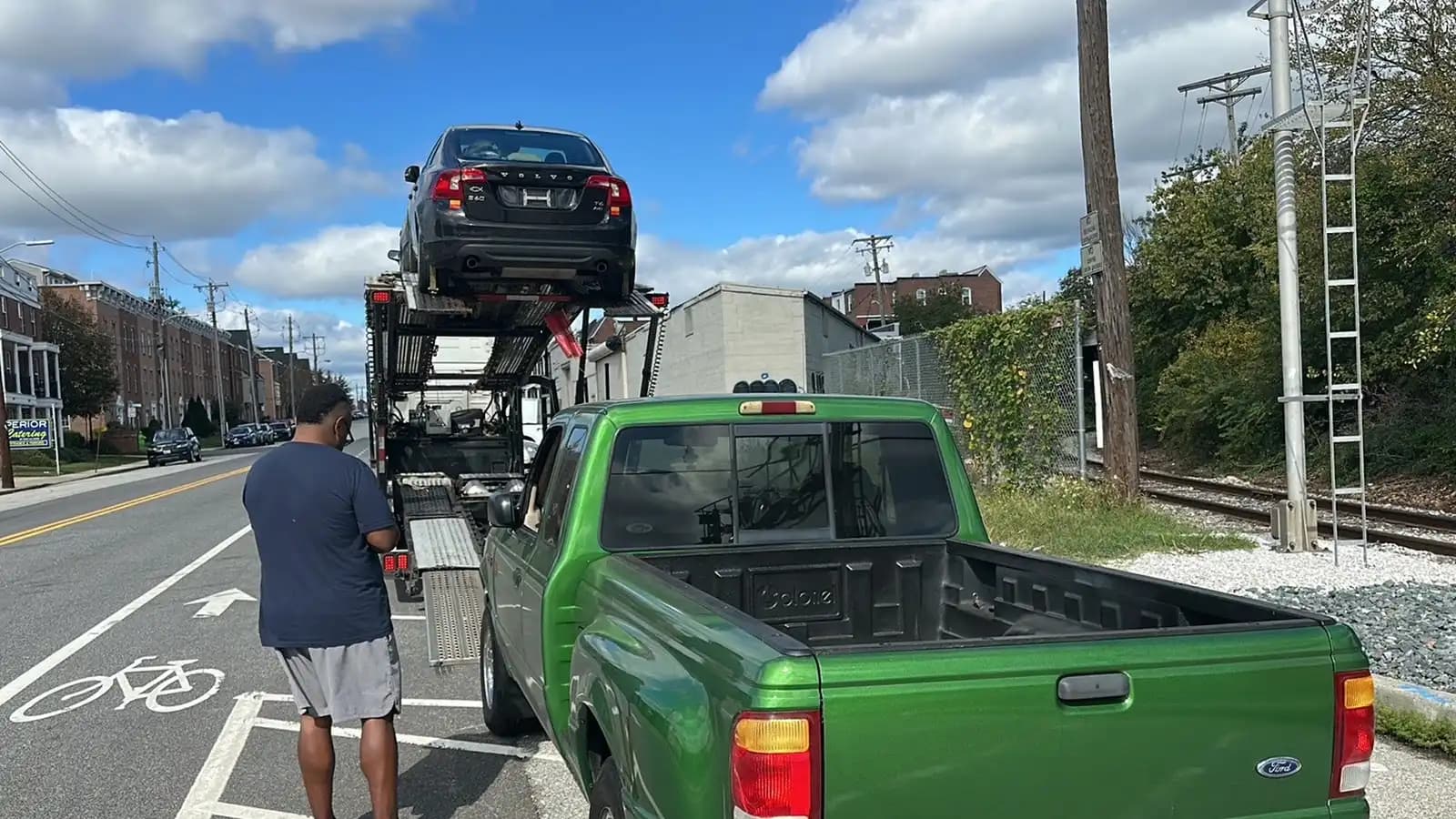
Some changes follow from new information: the vehicle does not run as described, large aftermarket tires alter its dimensions, the pickup moves to a hard-to-access location (a common issue with door-to-door pickups on narrow streets), or the customer requests a tighter window. Carrier availability, fuel costs, holiday schedules, and seasonal demand, such as the fall snowbird rush to Florida, can also move the market.
Other situations require closer scrutiny. If a quote rises immediately before pickup without a clear explanation, ask what changed, whether a carrier has accepted the job, and what the written agreement says about price adjustments. A genuine fixed-price offer may be available, but its conditions must be spelled out; the term "guaranteed" has no value without enforceable details.
Do not approve a revised price simply because someone says you have no alternative. Request the updated terms in writing and decide whether to proceed.
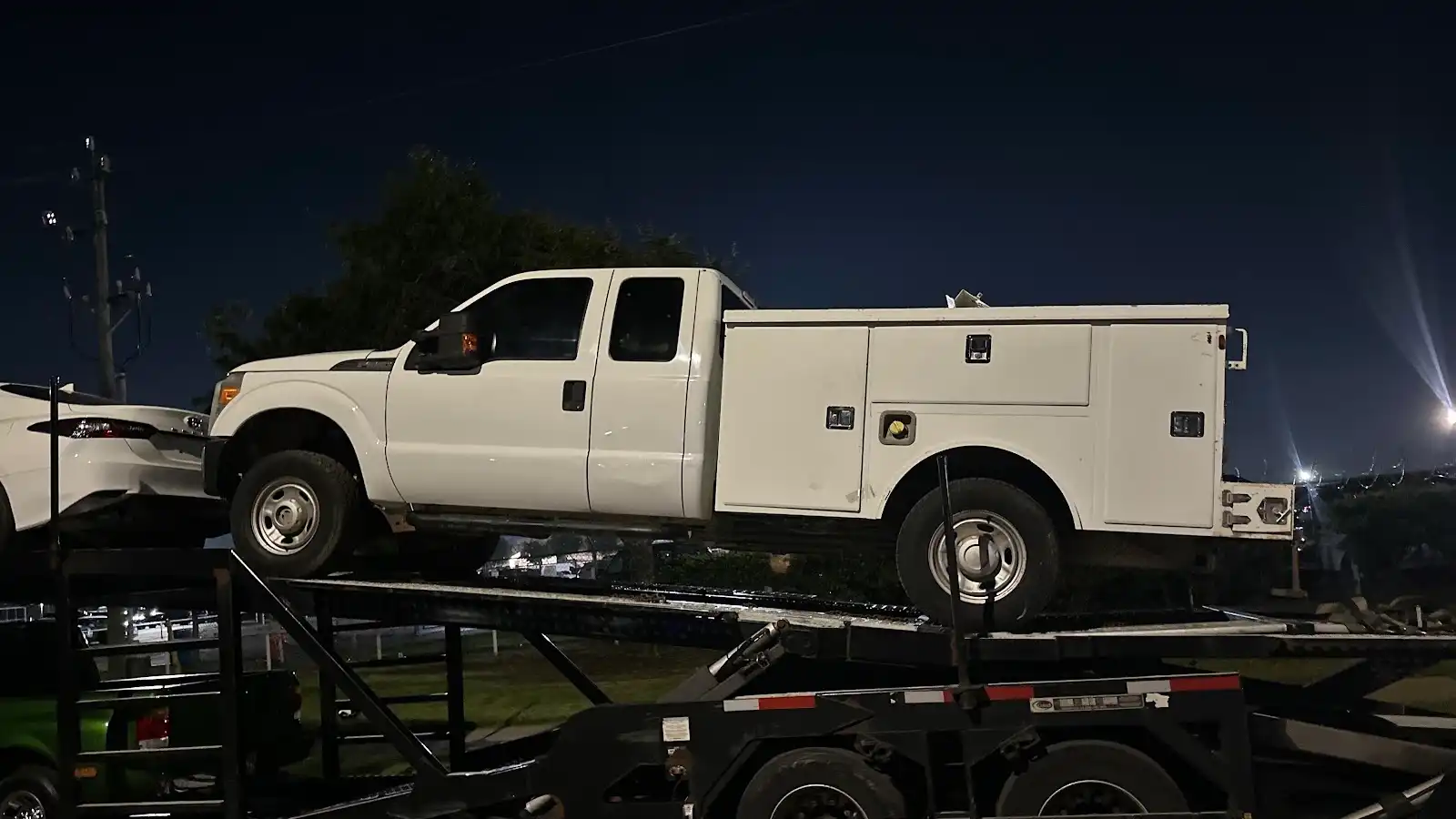
Size, weight and modifications change how a vehicle loads, which is why accurate vehicle details matter for the price.
How flexibility helps—and where it does not
Flexible pickup dates can give a dispatcher more time to find a compatible truck. This may improve the chance of a favorable rate, but it does not promise savings. A carrier may not know its return-load needs until shortly before reaching a destination. Booking several weeks ahead is useful for planning, not proof of future capacity.
If a vehicle has to move on a particular day, expedited transport may be the right option, and the broker may need to offer more competitive compensation to match an available truck. On an ordinary route, a customer who can adjust a date by a few days might have more options.
What happens if the assigned carrier cancels?
Breakdowns, equipment problems, and scheduling conflicts can interrupt a confirmed assignment. The responsible next step is clear communication: verify the status, look for an appropriate replacement, discuss any changed dates or costs, and obtain customer approval where required before proceeding.
If a replacement carrier asks for a higher amount, the customer should be shown the proposed change and the applicable contractual options. Refund and cancellation rights depend on the written terms and circumstances. Be wary of anyone who refuses to provide them.
A practical test for comparing two quotes
Imagine two offers for the same vehicle. One lists a lower estimated total but no accepted carrier or confirmed pickup window; the other clearly explains the rate, included fees, pickup flexibility, and when the assigned transporter will be identified. The prices alone do not tell you which shipment is more likely to move on time.
Before paying, compare both offers on the same terms: exact vehicle condition, pickup and delivery ZIP codes, service type (open or enclosed), dates, all-in customer total, cancellation conditions, and whether a motor carrier has accepted the load. Ask for the answer in writing. A price is only useful when you know what it buys.
A practical question is: “If the carrier does not accept the shipment at this price, what happens next—and what choices will I have?” The answer should explain the process without pressuring you to authorize a surprise increase.
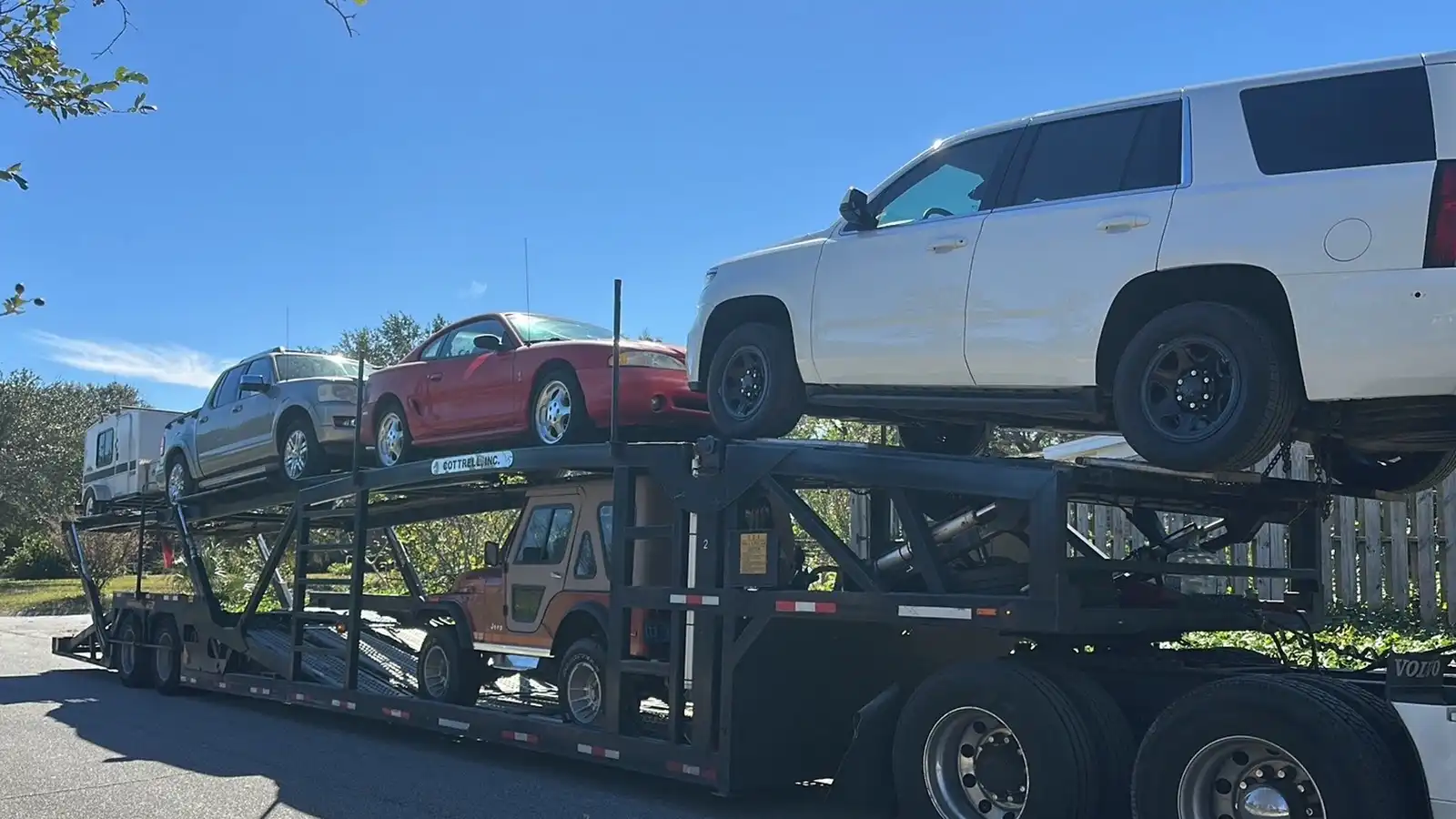
Before you pay, ask whether a carrier like this one has actually accepted your shipment.
Seven questions to ask before booking
-
Is this an estimate, a fixed contractual price, or a carrier-confirmed amount?
-
Does the quoted total include the broker's fee and the carrier's transportation charge?
-
Has a carrier accepted the shipment, and can you identify that company?
-
What pickup window is being offered, and is it confirmed?
-
What vehicle condition and modifications were used to calculate the price?
-
Under what conditions can the amount or schedule change?
-
What do the deposit, cancellation, and refund provisions say in writing?
How Yorka approaches the conversation
Yorka Auto Transport aims to explain market-based pricing before a customer commits. The focus is on matching an accurately described vehicle with a qualified, vetted carrier whose equipment and route make the shipment practical. When market conditions differ from the initial estimate, the customer should understand the proposed terms and retain the choice to approve them, subject to the agreement.
A cheap quote is not automatically bad. A higher quote is not automatically better. The strongest offer is one that clearly identifies the service, the conditions, and the likelihood of execution.
Frequently asked questions
Why do car shipping companies give different quotes?
They may estimate different carrier rates, availability, pickup constraints, vehicle requirements, and fees. Compare written terms as carefully as the headline price.
Is a low car shipping quote a scam?
Not necessarily. A low quote can be legitimate when a carrier has space on a matching route. Verify the company (our guide on how to choose a car shipping company can help), the written agreement, and whether the shipment has been assigned.
Can a car shipping broker change my price after booking?
It depends on the agreement and the reason for the change. Ask for an explanation and written approval terms before accepting any revision.
Is it cheaper to book car shipping early?
Planning ahead can create flexibility, but carrier prices change with actual supply and demand. Early booking does not guarantee the lowest rate.
Need a clear car shipping estimate? Get your free quote from Yorka Auto Transport, browse published prices on our car shipping routes, or see local lanes from Philadelphia and Houston.
Related Articles
Continue reading with these related posts
Auto Transport Broker vs. Carrier: Key Differences Explained
Learn who books your car shipment, who drives the truck, how to verify a carrier, and whom to contact about delays, damage, or delivery paperwork.
Door-to-Door Car Shipping in Houston: Pickup Tips for Katy, Sugar Land, The Woodlands & More
What to expect from door-to-door car shipping in Houston, with pickup tips for Inside the Loop, Katy, Sugar Land and The Woodlands, plus 2026 route prices.
How Long Does Car Shipping Take To or From Houston? 2026 Transit Times
See 2026 car shipping transit times to and from Houston by route, from 1-2 days in Texas to 5-7 days coast to coast, plus what can speed up or slow delivery.