
Auto Transport Broker vs. Carrier: Key Differences Explained
Yorka Auto Transport Team
Author
November 21, 2026
Published
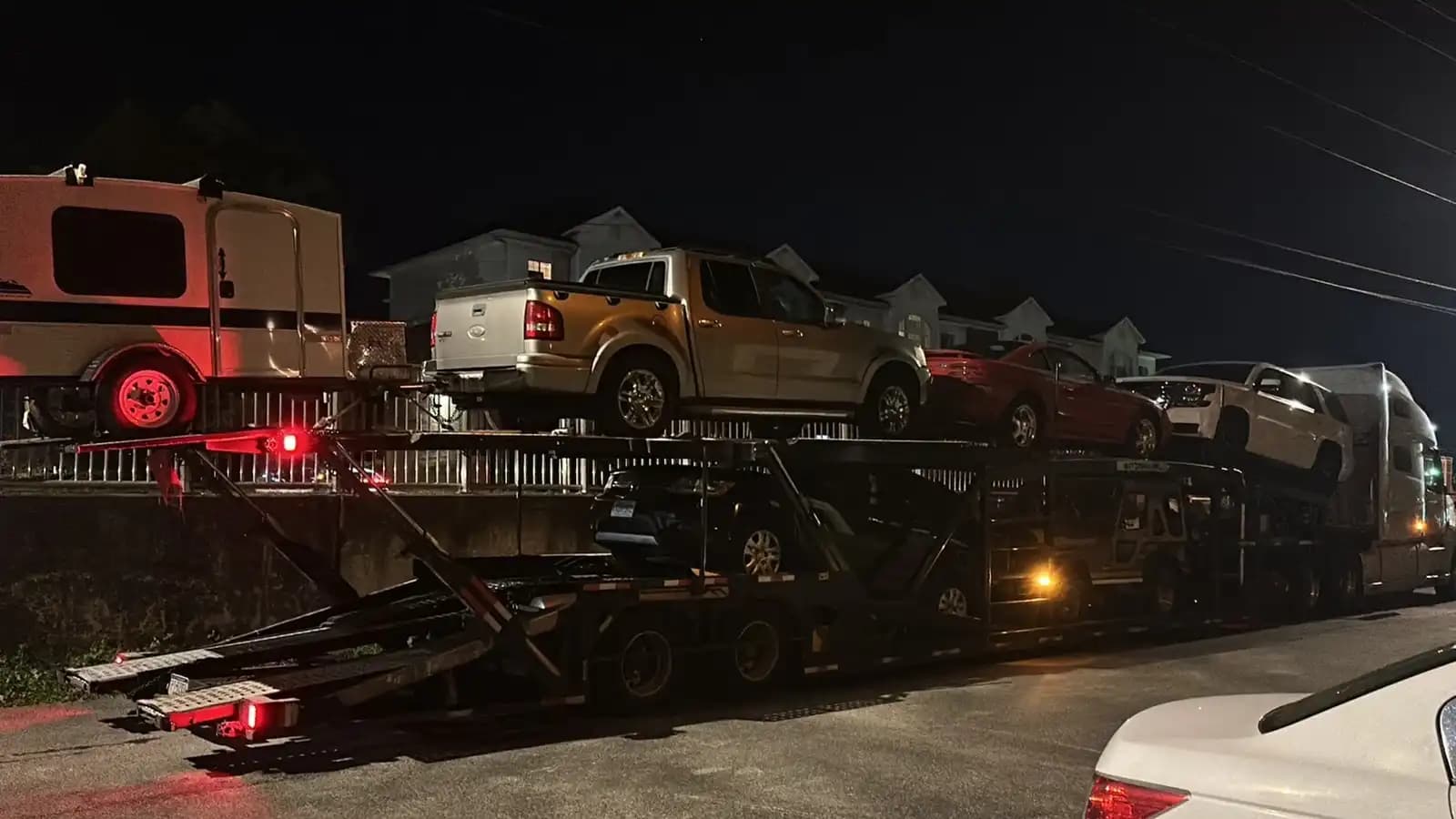

By Yorkin Yusupov, CEO of Yorka Auto Transport. Updated November 21, 2026.
The company that arranges your car shipment may not be the company whose truck arrives at your driveway. That is a normal part of the U.S. auto transport industry, but it is worth understanding before you pay a deposit or hand over your keys.
An auto transport broker (see how auto transport works) organizes transportation and connects customers with suitable motor carriers. A motor carrier operates the equipment and physically moves the vehicle. A dispatcher helps make the planned route and load work in practice. These roles are related, but they are not interchangeable.
What does an auto transport broker do?
A broker collects the year, make, model, condition, dimensions, pickup and delivery locations, preferred dates, and special instructions. That information becomes the basis for a quote and a carrier search. Here is what to check before booking a cheap quote.
Once a compatible carrier is available, the broker coordinates the proposed rate and schedule, communicates assignment details, and helps handle changes. A responsible broker should make it clear that arranging transportation is different from operating the truck.
Good brokerage work is more than posting a car on a load board. A sedan located near a busy interstate may be easy to combine with existing stops, while a lifted pickup truck on a remote route can require a particular trailer and a lengthy detour.
What is the motor carrier responsible for?
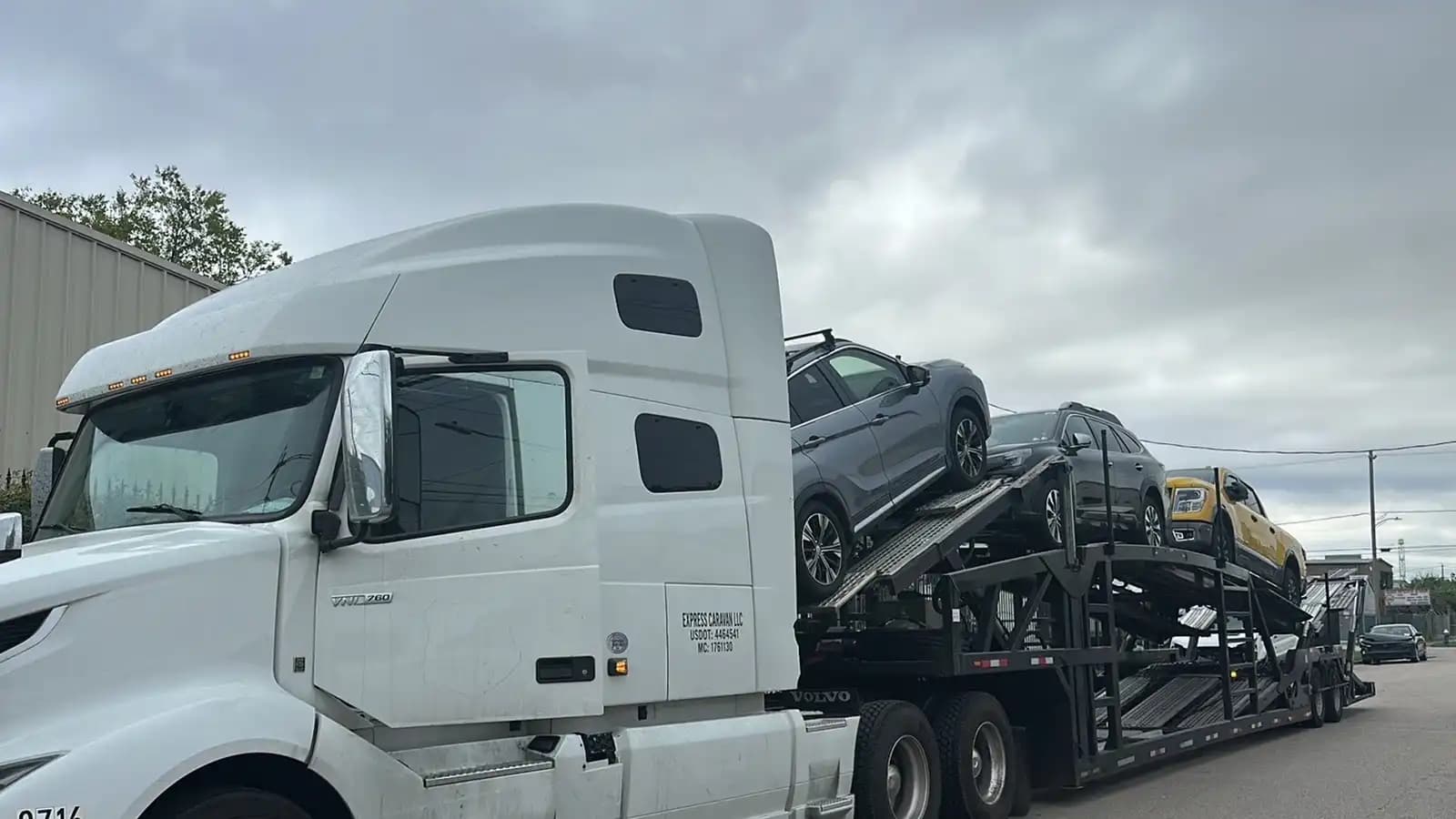
The carrier is the transportation company that accepts the load and sends the driver and equipment. Its work includes planning a safe load, coordinating a usable pickup point, inspecting the vehicle, securing it according to applicable requirements, moving it, and completing delivery documentation.
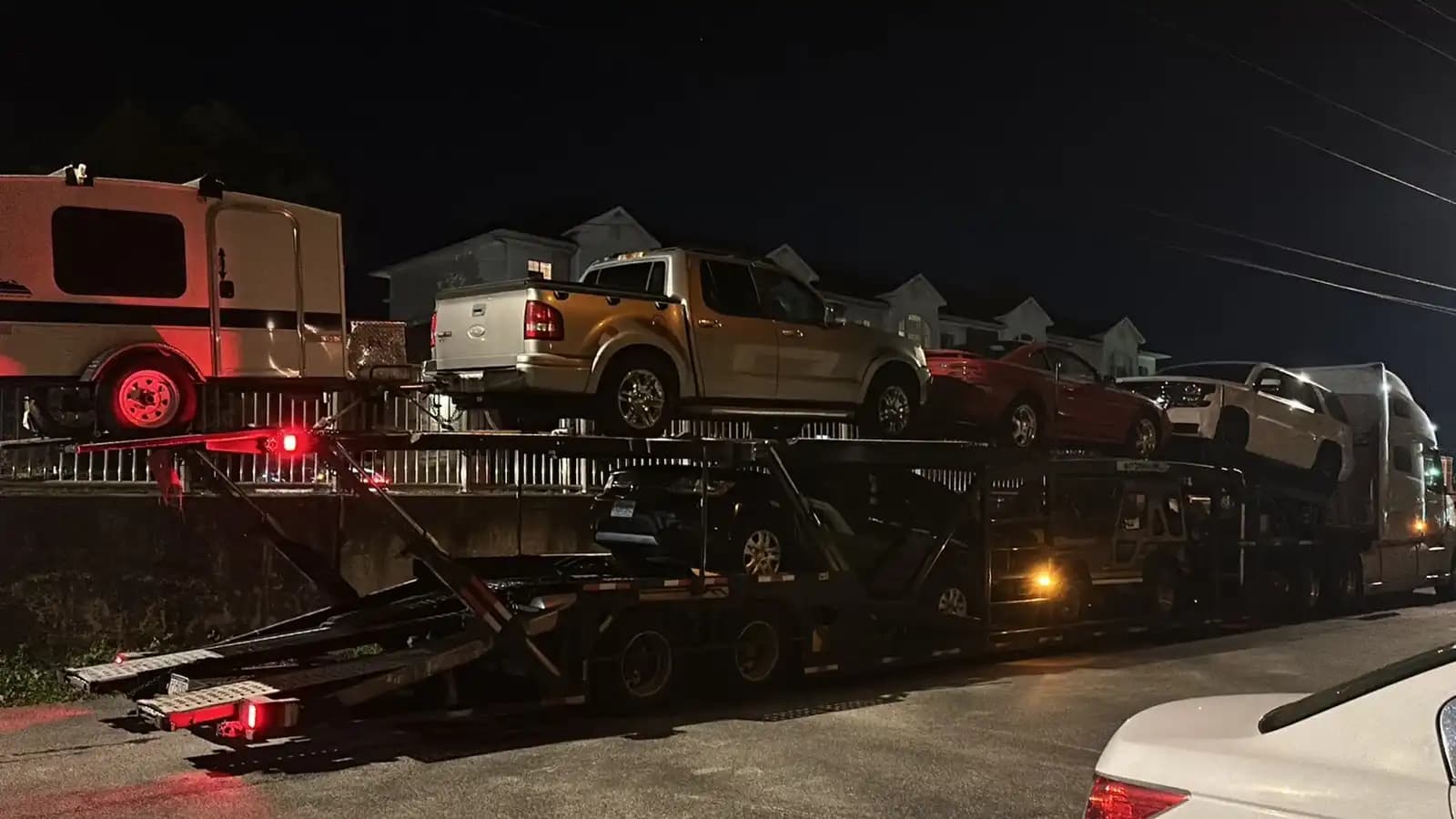
On a multi-car hauler, a driver must think about overall height, axle weights, deck positions, and the order in which vehicles can be loaded and unloaded. A seven-car transporter may safely accommodate a mixture of sedans and SUVs but not seven large pickups. Finding an open spot does not automatically mean every car will fit.
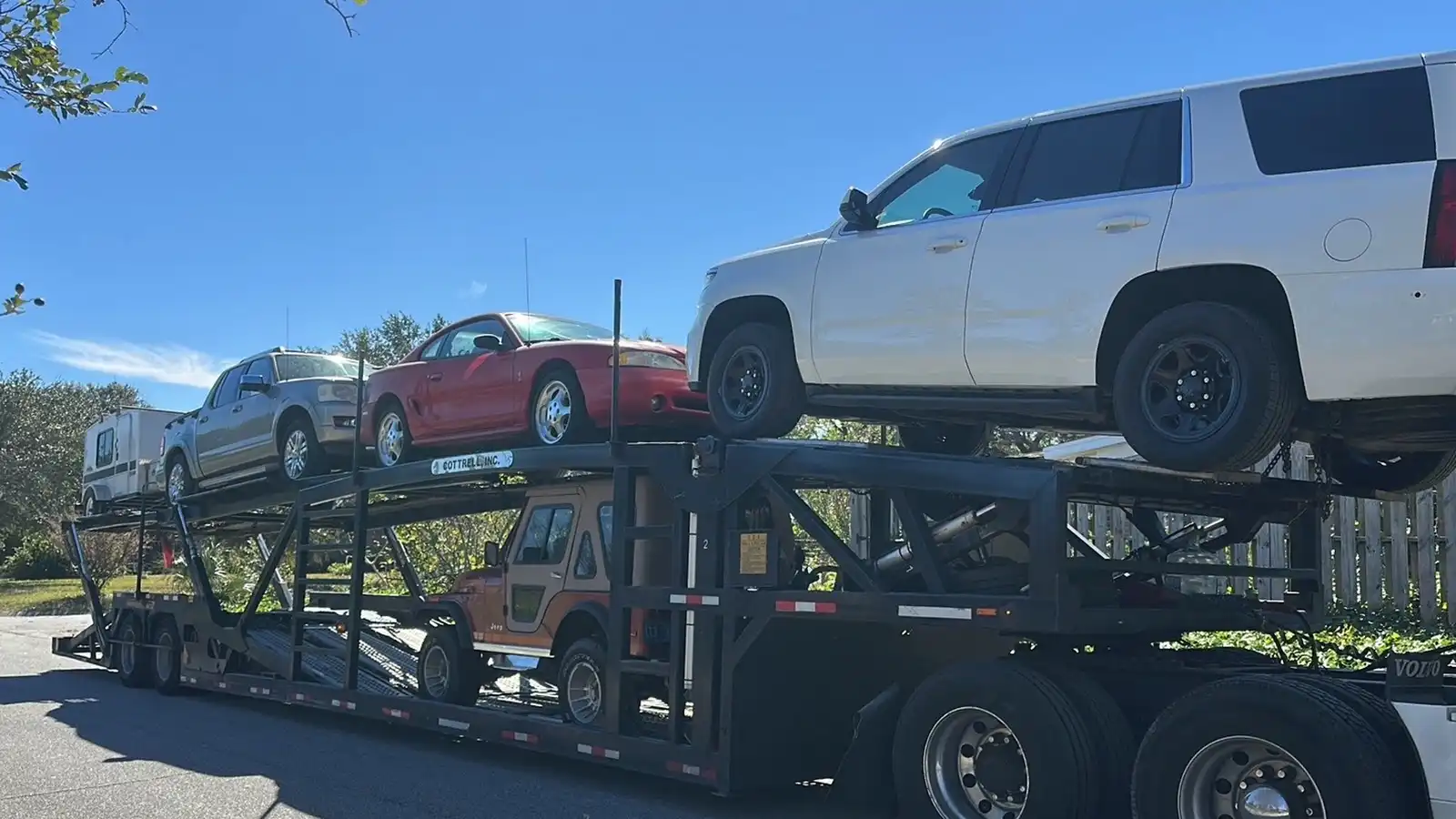
Every vehicle on a multi-car hauler affects height, weight and loading order for the others.
The carrier's dispatcher may provide the most current information about the driver's route, while the booking broker remains a useful point of contact for broader coordination.
Broker, carrier, and dispatcher: a practical comparison
| Task | Broker | Motor carrier / driver |
|---|---|---|
| Collect customer shipment details | Usually leads | Confirms operational details |
| Present quote and booking terms | Usually leads | Accepts negotiated transport rate |
| Select workable route and equipment | Searches and matches | Makes final operational decisions |
| Load, secure, and transport vehicle | Does not physically perform | Responsible for physical move |
| Pickup and delivery condition reports | May coordinate copies | Driver typically documents handoff |
| Changes, updates, and customer questions | Coordinates overall booking | Provides shipment status and delivery plan |
| Damage inquiry | Helps locate records and contacts | Handles carrier-side reporting/claims process |
The precise division of obligations depends on the contract and circumstances. The table describes a common arrangement, not an allocation of legal liability.
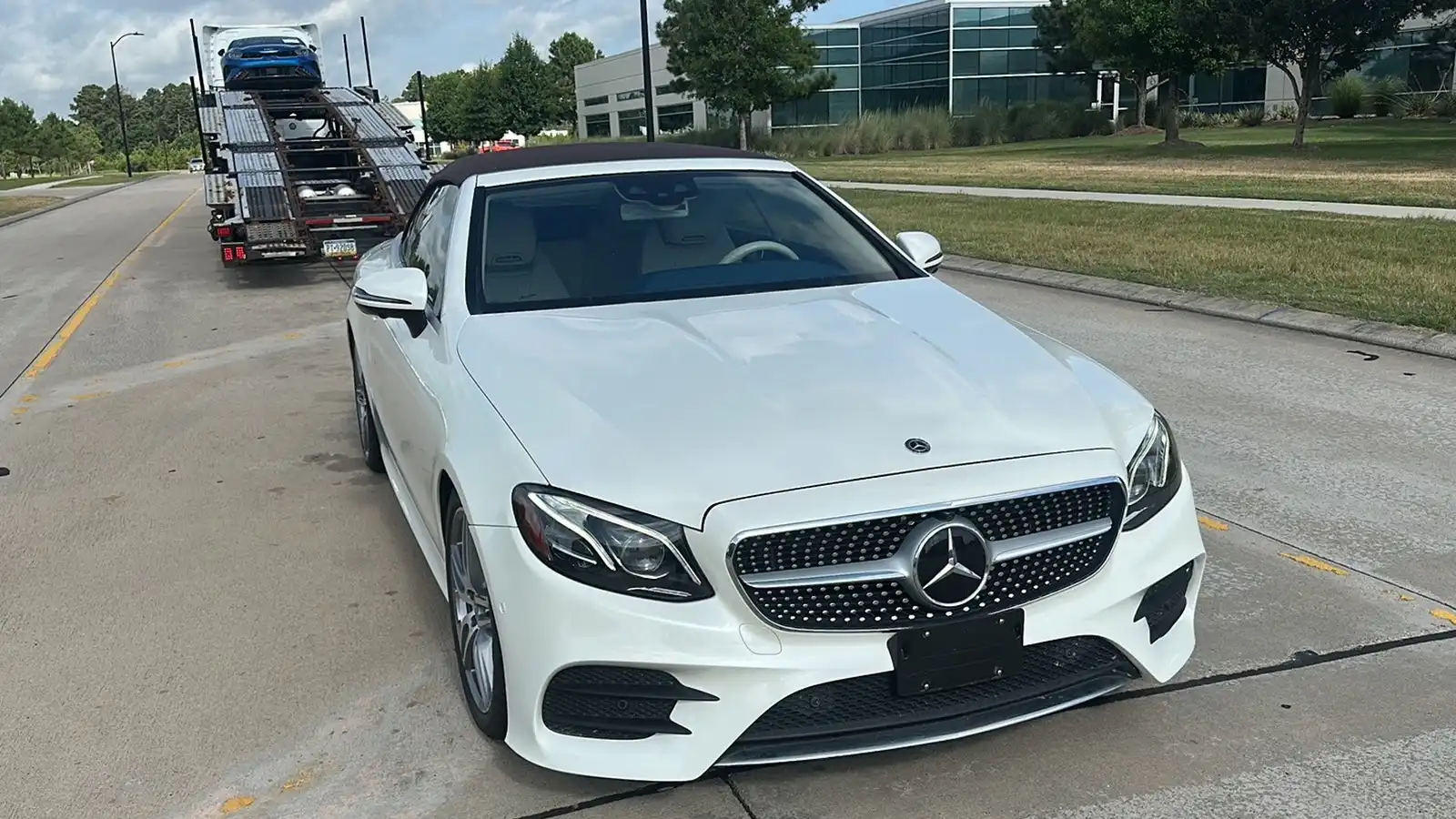
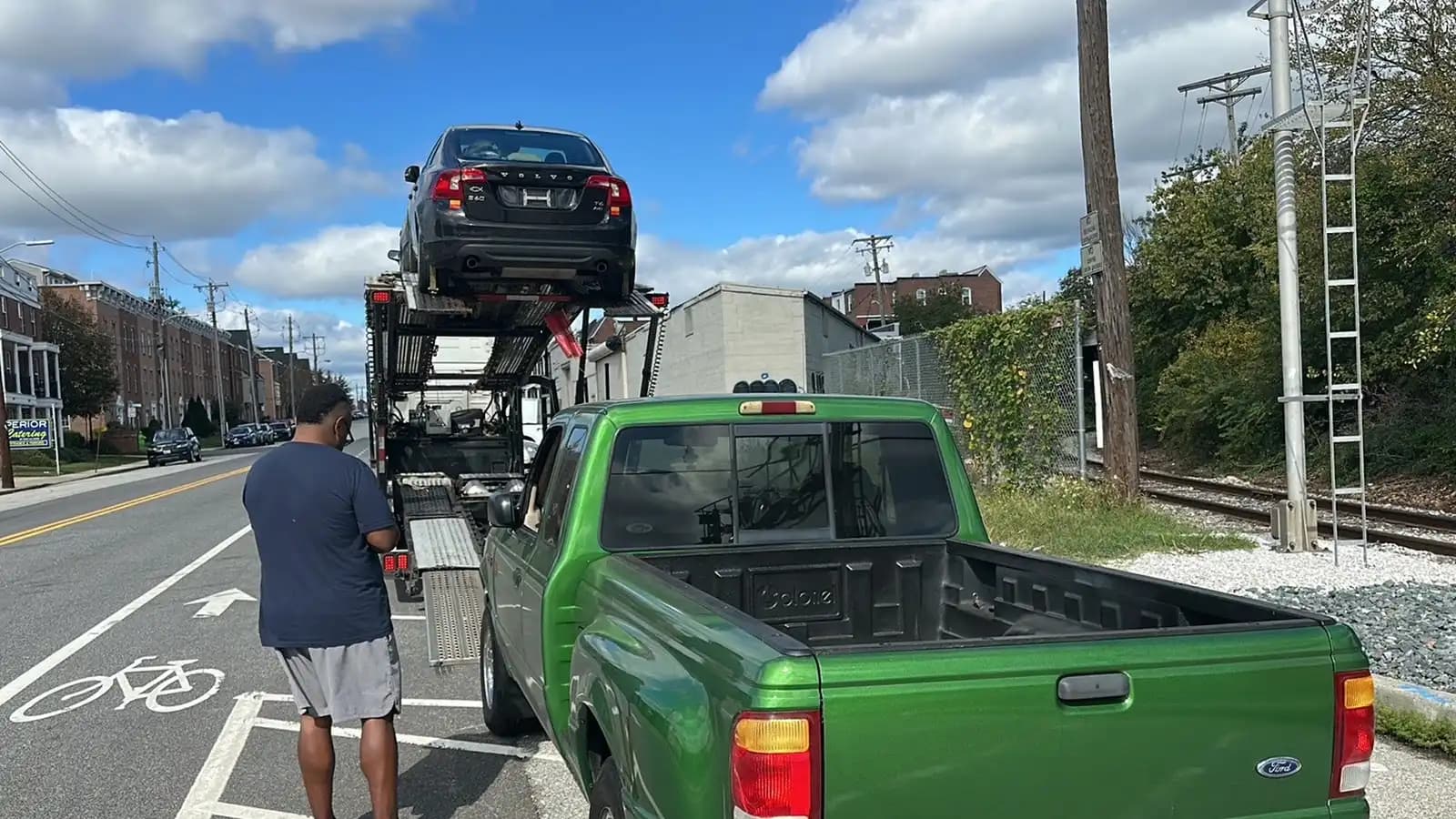
Before you hand over the keys, confirm that the driver and truck match the assignment you received.
A two-minute verification routine before pickup
Ask for the legal name and USDOT or MC identification of the company that will physically haul the vehicle, not just the brand name of the company that accepted your booking. Check the carrier’s identity and available authority or safety information using official FMCSA resources. Verify relevant insurance directly when needed; a screenshot of a certificate is not a guarantee that a particular loss will be covered.
Before releasing keys or auction pickup credentials, make sure the driver, truck details, carrier name, pickup time, and contact numbers agree with the assignment information you received through a trusted channel. If an unfamiliar person demands a new payment or says the original carrier has changed, stop and call the broker and carrier using contact information you have already verified.
This check matters because a legitimate broker can coordinate a shipment but cannot make an unknown person at the pickup location an authorized representative just by sending a text.
How to check an auto transport company
Before booking, identify whether the business is acting as a broker or carrier. For interstate transportation, consult FMCSA resources to check registration and the company information associated with its USDOT or MC identification. A company name alone can be ambiguous; verify the exact legal entity and operating status.
You can also read how we vet carriers before they move a customer vehicle. Once a transporter is assigned, ask for its legal name and identifying information. Review available safety and registration data and request relevant insurance information. Insurance limits, deductibles, exclusions, and the nature of the loss matter; a certificate should not be interpreted as a guarantee of payment for every incident.
Keep your booking confirmation, assigned carrier details, and agreed payment instructions in one place. If a stranger requests a changed recipient or payment method, confirm the instruction through a previously verified company contact.
Who should I contact if pickup is late?
Start with the contact identified in your booking instructions. The broker can coordinate the assignment and communicate changes; the carrier or its dispatcher can often explain the truck's actual progress. For typical timelines, see our guide to car shipping transit times. Ask for a realistic revised window rather than an unsupported promise of an exact minute.
Road closures, weather, loading appointments, equipment issues, and driver hours can affect schedules. A late arrival is not necessarily a sign that something improper happened, but a lack of clear information deserves follow-up.
Who handles the Bill of Lading and damage report?
The Bill of Lading (BOL), explained in our car shipping guide, usually records the vehicle's condition and handoff at pickup and delivery. It may show the carrier, locations, condition notes, signatures, and other shipment details. The BOL is strong evidence, but other documents may govern price, payment, insurance, and liability.
If you notice possible new damage, document it promptly on the delivery inspection, photograph it, and notify both the carrier and broker through verified channels. Preserve the pickup report, delivery report, original photos, and communications.
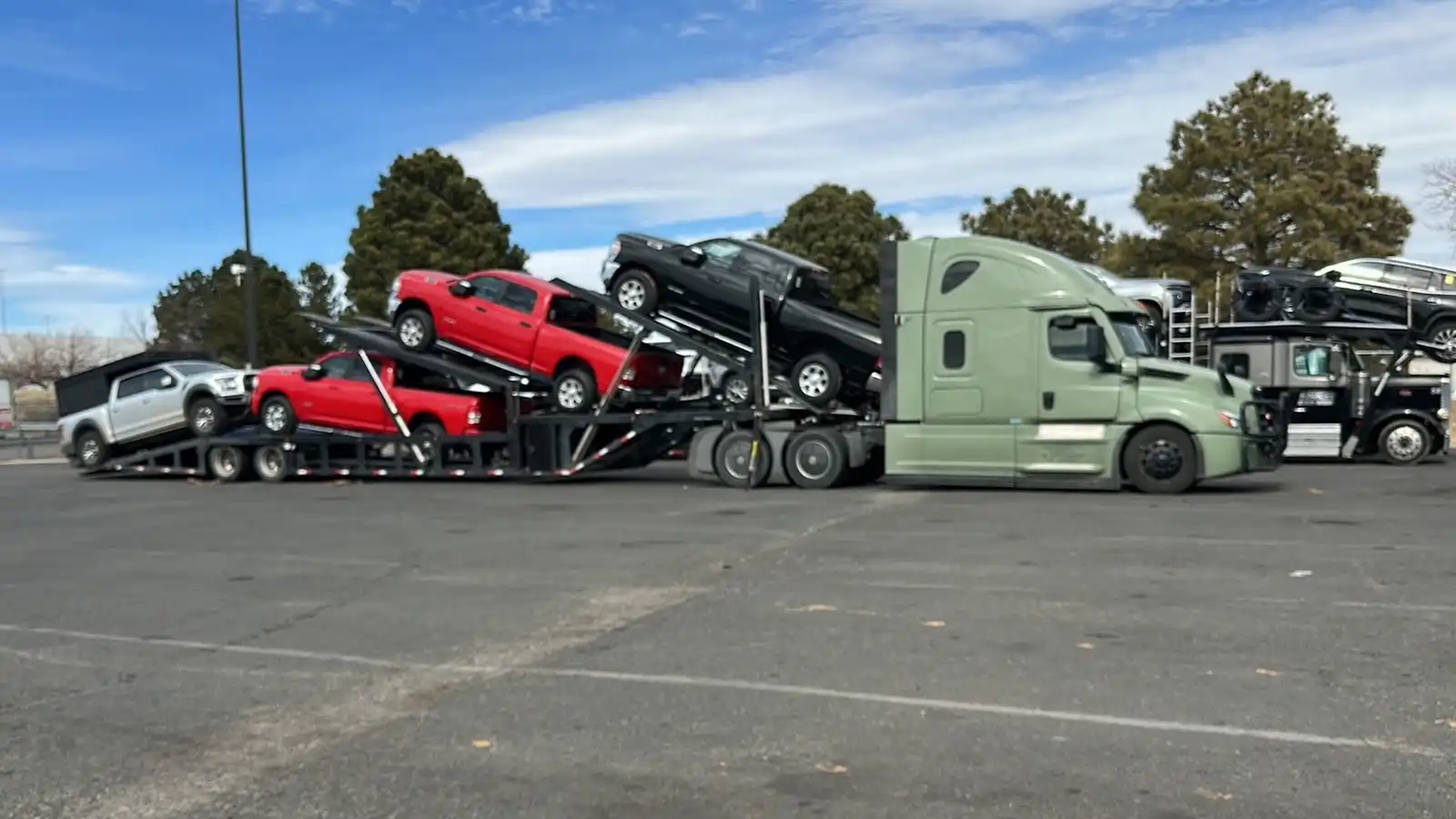
Matching the right truck to the right vehicle starts with an accurate description of the car.
How Yorka matches a shipment to a truck
Yorka Auto Transport is an FMCSA-licensed broker (USDOT 4504214). Our approach begins with getting the vehicle description right. Ground clearance (which may call for enclosed transport with a low-angle ramp), aftermarket equipment, whether the vehicle rolls and steers, and the exact pickup point can be as important as the number of miles. The goal is not merely to find an available driver; it is to find one whose equipment, timing, and route fit the job.
Frequently asked questions
Is it better to ship directly with a carrier or through a broker?
Either can work. A direct carrier must have suitable capacity on your route; a broker can search among available operators. Assess transparency, equipment fit, written terms, and communication rather than the label alone.
Does a broker own the truck that ships my car?
Not necessarily. A broker generally arranges transportation, while the assigned motor carrier performs it. Ask who will physically handle your vehicle.
How can I find out which carrier is assigned?
Request the carrier's legal name and identifying information after assignment, then check the details against FMCSA records and your booking documents.
Can the broker help if my car is damaged?
The broker can help coordinate communications and records. The actual claim process and responsibility depend on the facts, carrier obligations, insurance policy, and applicable law.
For a shipping plan that makes each party's role clear, request a free quote from Yorka Auto Transport, browse our published route prices, or see local service in Philadelphia and Houston.
Related Articles
Continue reading with these related posts
Cheap Car Shipping Quotes: What to Check Before Booking
A cheap car shipping quote is not always a confirmed truck price. Learn how auto transport estimates work, what changes rates, and how to compare offers.
Door-to-Door Car Shipping in Houston: Pickup Tips for Katy, Sugar Land, The Woodlands & More
What to expect from door-to-door car shipping in Houston, with pickup tips for Inside the Loop, Katy, Sugar Land and The Woodlands, plus 2026 route prices.
How Long Does Car Shipping Take To or From Houston? 2026 Transit Times
See 2026 car shipping transit times to and from Houston by route, from 1-2 days in Texas to 5-7 days coast to coast, plus what can speed up or slow delivery.