
The Safest Way to Ship an Electric Vehicle (EV): Battery Safety and Weight Logistics
Yorka Auto Transport Team
Author
March 26, 2026
Published
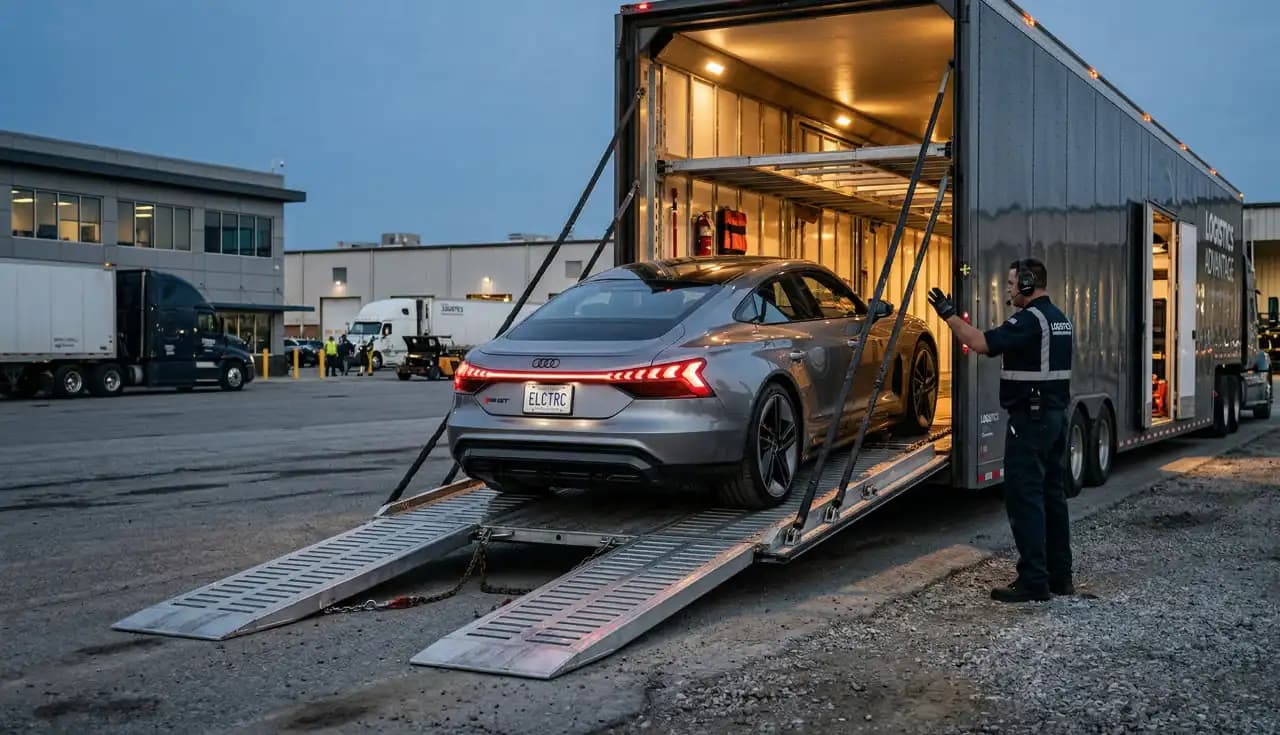

1. Introduction to EV Shipping Challenges
Electric vehicles have surged from niche innovation to mainstream mobility. This rapid adoption has created a parallel demand: safe, efficient, and reliable vehicle transportation. However, shipping an EV is not merely a variation of traditional auto transport—it is a fundamentally different logistical undertaking.
Unlike internal combustion engine vehicles, EVs possess intricate battery systems and significantly different weight distributions. These variables introduce complexities that necessitate heightened vigilance and specialized expertise. Overlooking these nuances can lead to costly damage or safety hazards.
2. Understanding EV Battery Safety
Lithium-Ion Battery Risks During Transport
At the heart of every EV lies a lithium-ion battery pack. While remarkably efficient, these batteries are sensitive to physical damage, temperature fluctuations, and improper handling. Thermal runaway—a rare but serious phenomenon—can occur if the battery is compromised.
Transporting an EV, therefore, demands a meticulous approach. Even minor negligence can escalate into substantial risk.
Proper Charge Levels and Safety Protocols
Maintaining an optimal battery charge is crucial. Industry best practices recommend keeping the battery between 30% and 50% during transport. This range minimizes stress on the battery while reducing potential hazards.
Additionally, transporters must avoid exposing the vehicle to extreme temperatures. Proper insulation, ventilation, and positioning on the carrier play pivotal roles in safeguarding the battery system.
Regulatory Compliance and Carrier Requirements
Shipping EVs often involves compliance with specific transport regulations. Carriers must adhere to safety standards governing hazardous materials, even though EVs are not strictly classified as such.
Professional transport companies implement rigorous protocols. Documentation, inspection procedures, and trained personnel ensure that every shipment aligns with legal and safety benchmarks.
3. Weight Logistics and Transport Planning
Heavier Structure of EVs vs Traditional Vehicles
Electric vehicles are inherently heavier than their gasoline counterparts. The battery pack alone can add hundreds, sometimes thousands, of pounds. This increased mass influences every aspect of transport logistics.
A heavier vehicle is not just a loading concern—it affects braking distances, fuel consumption, and overall carrier capacity.
Load Distribution and Trailer Selection
Proper weight distribution is essential to prevent imbalances during transit. EVs must be strategically positioned on the trailer to maintain equilibrium. Failure to do so can compromise the safety of the entire load.
Specialized trailers or reinforced carriers are often required. These are engineered to handle the additional weight without sacrificing stability.
Impact on Pricing and Route Planning
Weight directly affects shipping costs. Heavier loads require more fuel and may limit the number of vehicles a carrier can transport simultaneously. Consequently, route optimization becomes critical.
Transport providers must carefully plan routes to avoid steep inclines, restrictive roads, or areas with weight limitations. Precision in planning ensures efficiency and safety alike.
4. Choosing the Right Transport Method
Open vs Enclosed Carriers for EVs
Open transport remains a popular and cost-effective option. However, for EVs—especially high-value models—this method may not always provide adequate protection.
Enclosed transport offers a controlled environment. Shielded from weather, debris, and external elements, the vehicle remains in pristine condition throughout the journey.
When Enclosed Shipping Is Essential
Luxury EVs, rare models, or vehicles with delicate finishes benefit immensely from enclosed carriers. Long-distance shipments or routes with unpredictable weather further justify this choice.
While more expensive, enclosed transport significantly reduces exposure to potential hazards.
Weather, Distance, and Vehicle Value Considerations
Shipping decisions should never be arbitrary. Climate conditions, transit distance, and the vehicle’s intrinsic value must all be evaluated.
A cross-country shipment during winter, for instance, demands far more protection than a short regional transfer in mild weather.
5. Pre-Transport Preparation for EV Owners
Inspection and Documentation
Before handing over the vehicle, a comprehensive inspection is imperative. Documenting the car’s condition—preferably with high-resolution photos—provides a clear reference point.
This step ensures transparency and protects both the owner and the carrier.
Battery Charge Recommendations
Maintaining the recommended charge level is not optional—it is essential. An overcharged or depleted battery can create complications during loading and unloading.
A balanced charge ensures operational readiness without introducing unnecessary risk.
Securing Loose Components and Disabling Features
Loose items should be removed or secured. Additionally, certain automated features—such as alarms or remote access systems—should be disabled to prevent interference during transit.
These seemingly minor steps contribute significantly to a seamless shipping process.
6. Why Professional Auto Transport Matters
Expertise in EV-Specific Logistics
Transporting an EV is not a task for inexperienced carriers. It demands technical understanding, precision handling, and strategic planning.
Professional companies bring a level of proficiency that minimizes risk and maximizes efficiency.
Insurance Coverage and Risk Mitigation
Comprehensive insurance coverage is a non-negotiable aspect of vehicle transport. Reputable carriers provide robust policies that safeguard against unforeseen events.
This financial protection offers peace of mind throughout the shipping process.
How Yorka Auto Transport Ensures Safe EV Shipping
Yorka Auto Transport exemplifies excellence in EV logistics. With a deep understanding of battery safety protocols and weight distribution dynamics, the company delivers a superior transport experience.
Every shipment is handled with calculated precision. From initial inspection to final delivery, stringent safety measures are enforced. Advanced carrier options, experienced drivers, and customer-focused service make Yorka Auto Transport a trusted partner for EV shipping.
7. Final Thoughts: Ensuring a Safe and Smooth EV Shipment
Shipping an electric vehicle is a sophisticated process. It demands more than standard procedures—it requires expertise, diligence, and strategic foresight.
Battery safety and weight logistics are not mere technicalities; they are the foundation of secure transport. Choosing the right carrier, preparing the vehicle properly, and understanding the nuances of EV shipping can make all the difference.
Entrusting the process to a specialized provider like Yorka Auto Transport ensures that every detail is meticulously managed. The result is a seamless, secure, and worry-free shipping experience.
Related Articles
Continue reading with these related posts

Texas to California Car Transport: Current Rates and Best Routes for 2026
Discover 2026 car shipping rates from Texas to California, best routes, and expert tips. Ship safely with Yorka Auto Transport.
Shipping a Non-Runner: The Specialized Art of Inoperable Vehicle Logistics
Ship a car that doesn’t start with Yorka Auto Transport. Expert non-runner delivery, winch car shipping service USA, and affordable inoperable vehicle transport cost 2026.

Top 5 Auto Detailing Shops in Miami to Visit After Your Car is Delivered
Discover the top 5 auto detailing shops in Miami and learn how to protect your vehicle after car shipping with expert care and professional transport solutions.