
Enclosed Auto Transport in Philadelphia: Protecting Your Classic Car from PA Weather
Yorka Auto Transport Team
Author
April 6, 2026
Published
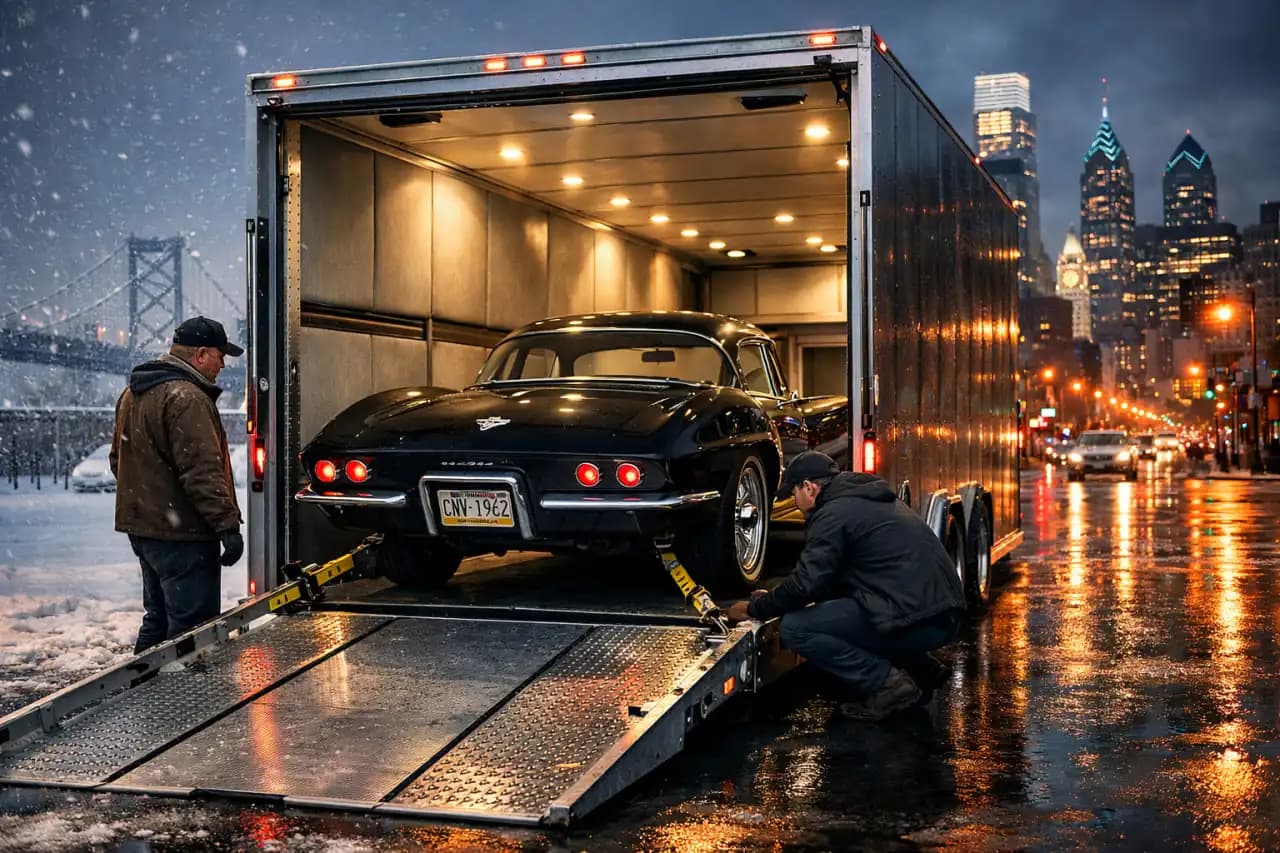

1. Understanding Enclosed Auto Transport
What Is Enclosed Auto Transport?
Enclosed auto transport represents the pinnacle of vehicular shipping sophistication. Unlike conventional hauling methods, this service utilizes fully covered trailers that cocoon vehicles within a controlled environment. The result is a transit experience that minimizes exposure to external aggressors—be it meteorological turbulence or road-borne debris.
This method is particularly favored by collectors and enthusiasts who regard their automobiles not merely as transportation devices, but as irreplaceable artifacts. The enclosure acts as a protective carapace, shielding delicate finishes and intricate components from unpredictable conditions.
Key Differences Between Open and Enclosed Carriers
At first glance, open and enclosed carriers may appear to serve the same utilitarian purpose. Yet, the divergence in protection levels is profound. Open carriers, while economical, leave vehicles susceptible to environmental exposure. Dust accumulation, precipitation, and incidental road spray are unavoidable.
Conversely, enclosed carriers provide an insulated transit chamber. This distinction is not trivial—it is transformative. For high-value automobiles, the difference between minor exposure and complete protection can equate to thousands of dollars in preservation costs.
Why It Matters for Classic and Luxury Vehicles
Classic cars possess a certain fragility masked by their enduring charm. Their finishes, often painstakingly restored, are particularly vulnerable to micro-abrasions and chemical contaminants. Luxury vehicles, too, demand meticulous care due to their precision engineering and bespoke detailing.
Enclosed transport mitigates these risks. It preserves not only the aesthetic integrity but also the mechanical fidelity of such vehicles. In essence, it safeguards both sentiment and investment.
2. Philadelphia Weather and Its Impact on Vehicles
Seasonal Extremes in Pennsylvania
Philadelphia’s climate is a study in contrasts. Summers can be oppressively humid, while winters introduce a frigid, snow-laden atmosphere. Transitional seasons bring their own unpredictability—sudden downpours, gusty winds, and fluctuating temperatures.
These oscillations create a challenging environment for vehicle transport. Exposure during transit can subject a car to multiple weather conditions within a single journey, amplifying the potential for damage.
Environmental Hazards: Snow, Salt, and Humidity
Winter introduces a particularly insidious adversary: road salt. Applied liberally to combat ice, salt is corrosive by nature. When it adheres to a vehicle’s undercarriage or body panels, it accelerates oxidation and rust formation.
Humidity, prevalent during warmer months, fosters condensation. This moisture can infiltrate sensitive areas, leading to deterioration over time. Add airborne pollutants to the equation, and the risk matrix becomes even more complex.
Long-Term Effects on Classic Cars
The cumulative impact of these elements is often underestimated. Paint degradation, metal corrosion, and compromised seals are common outcomes of repeated exposure. For classic cars, which often feature original or painstakingly restored components, such damage can be irreversible.
Preservation, therefore, is not merely advisable—it is imperative. Minimizing exposure during transport is a critical step in maintaining long-term value and authenticity.
3. Benefits of Enclosed Auto Transport in Philadelphia
Superior Protection from External Elements
Enclosed auto transport offers an almost hermetic level of protection. Vehicles are shielded from precipitation, ultraviolet radiation, and airborne particulates. Even in the face of Philadelphia’s volatile weather, the vehicle remains insulated.
This protective barrier ensures that the car arrives in the same condition it departed—immaculate and uncompromised.
Enhanced Security and Reduced Risk
Beyond environmental considerations, security plays a pivotal role. Enclosed trailers limit visibility, reducing the likelihood of theft or unwanted attention. Additionally, these carriers often employ advanced securing mechanisms to stabilize vehicles during transit.
The result is a markedly reduced risk profile. Owners can rest assured that their prized possession is not only protected from nature, but also from human interference.
White-Glove Handling and Specialized Equipment
Enclosed transport services frequently include what can be described as “white-glove” handling. This entails careful loading procedures, often utilizing hydraulic lift gates to prevent ground clearance issues.
Soft tie-downs and padded interiors further enhance protection. Every detail is calibrated to accommodate high-value vehicles, reflecting a level of care that transcends standard logistics practices.
4. Choosing the Right Enclosed Transport Service
Evaluating Carrier Experience and Reputation
Selecting a transport provider requires discernment. Experience in handling classic and luxury vehicles is a crucial indicator of competence. Established carriers typically possess a nuanced understanding of the unique requirements associated with such automobiles.
Reputation, too, carries weight. Consistent positive feedback and industry recognition often signal reliability and professionalism.
Insurance Coverage and Documentation
Comprehensive insurance is non-negotiable. It provides a financial safeguard against unforeseen incidents, however rare they may be. Equally important is thorough documentation—inspection reports, condition records, and contractual clarity.
These elements collectively ensure transparency and accountability throughout the transport process.
Cost Considerations vs. Value Delivered
Enclosed auto transport invariably commands a premium. Yet, framing it purely as an expense overlooks its intrinsic value. The cost reflects not only the physical protection offered, but also the expertise and meticulous care involved.
For classic car owners, the calculus is straightforward. The investment in enclosed transport is a prudent measure—one that preserves both monetary value and emotional significance.
5. Call to Action: Secure Your Classic Car with Confidence
Why Choose Yorka Auto Transport
When it comes to transporting high-value vehicles, precision and trust are non-negotiable. Yorka Auto Transport specializes in connecting customers with vetted, professional carriers who understand the nuances of enclosed shipping. Every detail—from dispatch coordination to final delivery—is handled with diligence and clarity.
With a strong focus on reliability, transparent communication, and tailored logistics solutions, Yorka Auto Transport ensures that your classic car is treated with the respect it deserves.
Get a Fast, Reliable Quote Today
Your classic car is more than a vehicle—it is a legacy on wheels. Don’t leave its safety to chance, especially when navigating the unpredictable conditions of Pennsylvania.
Request your enclosed auto transport quote today with Yorka Auto Transport and experience a higher standard of vehicle shipping.
Fast responses. Competitive pricing. Total peace of mind.
Get started now and protect your investment—mile after mile.
Related Articles
Continue reading with these related posts
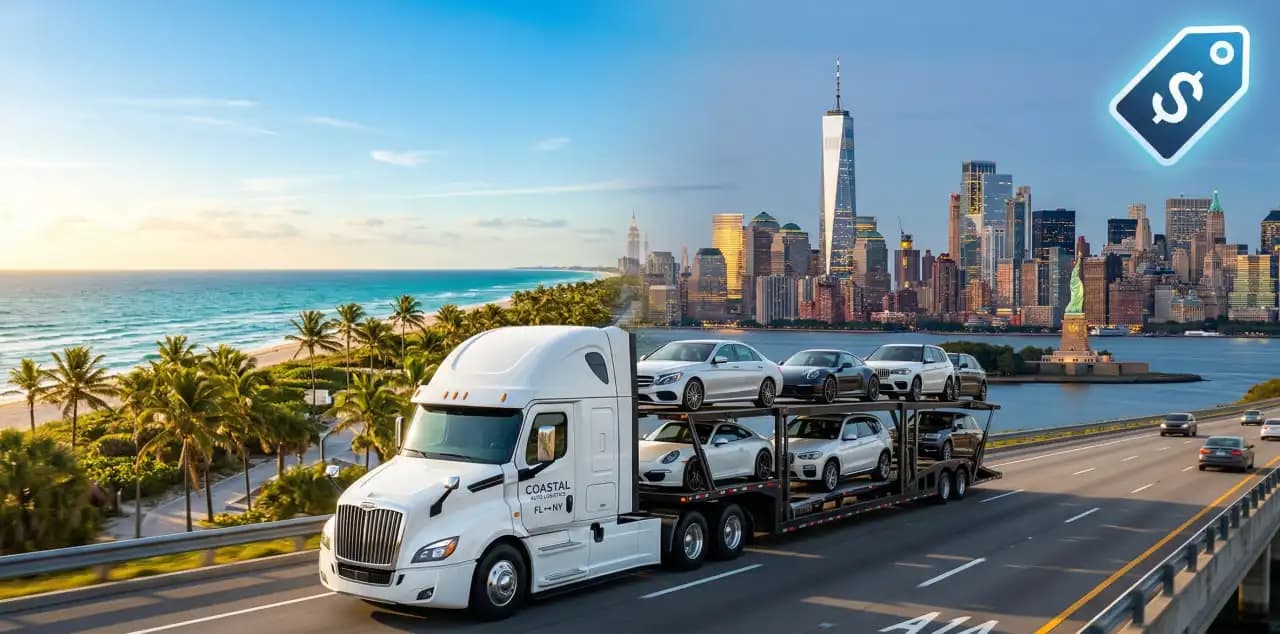
Shipping a Car from Florida to New York: 2026 Price Guide
Planning to ship a car from Florida to New York? Check our 2026 pricing guide for average rates, seasonal "snowbird" trends, and expert tips to save $200+ on your East Coast transport.
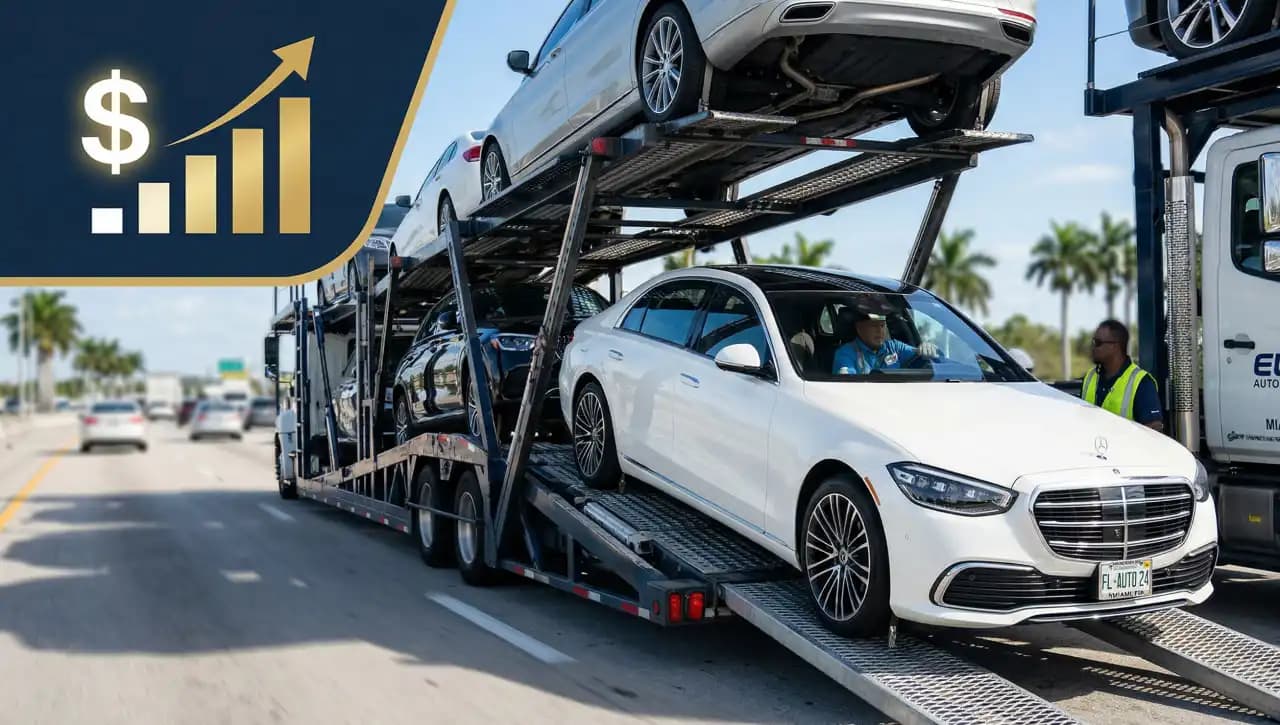
How Much Does Vehicle Shipping Cost? 2026 Pricing Breakdown
Discover the real costs of vehicle shipping in 2026. Get expert insights on pricing factors, average rates per mile, and how to save $200+ on your next shipment.
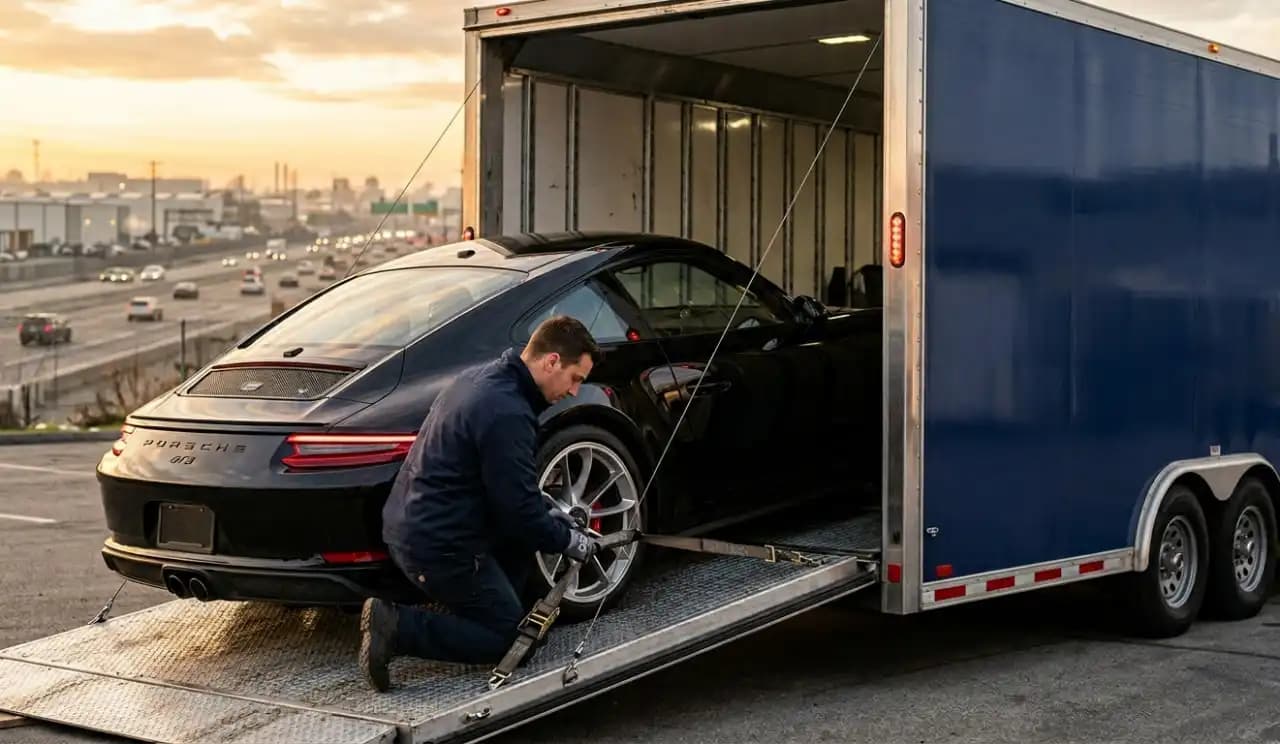
The Hidden Risks of Using the Cheapest Auto Transport Quote
Searching for the most affordable car shipping often leads to costly logistical nightmares.